
Choosing the right siding for your home is more than a design decision; it shapes how your house withstands weather, ages over time, and holds its value. You may be weighing aesthetics against durability, or budget against long-term performance, and the options can feel overwhelming. Two of the most popular materials today are metal siding panels and vinyl siding, each with distinct strengths and trade-offs. While vinyl has long dominated suburban neighborhoods, metal has gained traction for its durability and modern appeal. Understanding how these materials compare across performance, cost, maintenance, and climate suitability helps you make a confident and informed choice rather than relying on trends alone.
What Are Metal Siding Panels?
Materials Used
Metal siding panels are typically manufactured from steel or aluminum, often coated with protective finishes such as galvanized or painted layers. Steel panels are known for their strength and impact resistance, while aluminum offers corrosion resistance, especially in coastal environments. These materials are engineered to endure harsh conditions, including heavy snow, high winds, and intense sunlight. Protective coatings help prevent rust and fading, extending the siding’s lifespan significantly. When you choose metal siding panels, you are investing in a material designed for resilience and long-term structural performance.
Common Styles
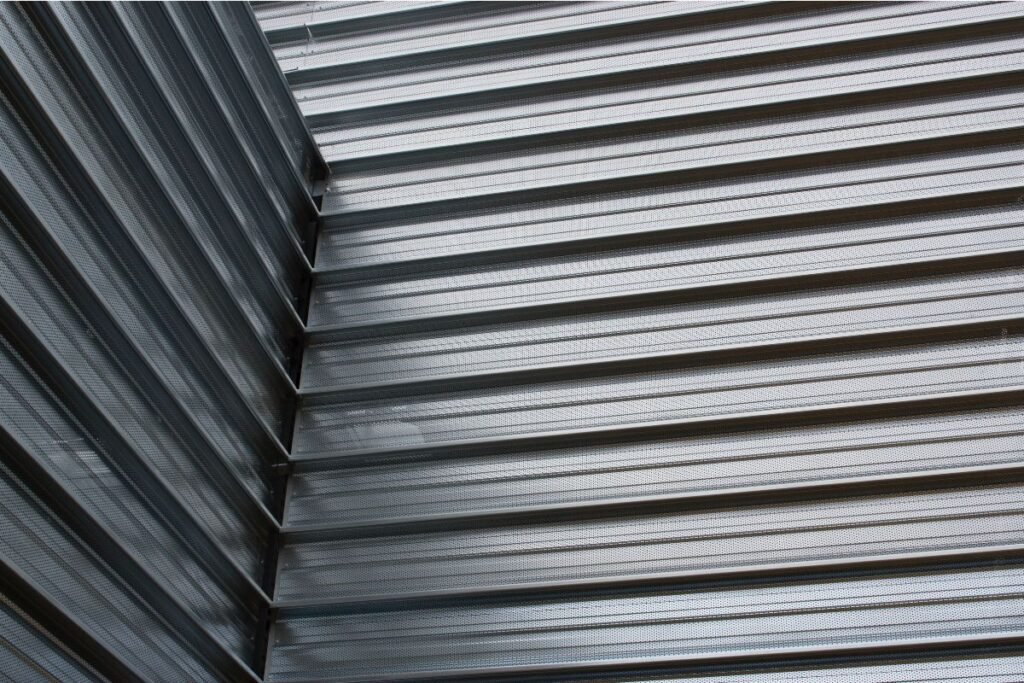
Metal siding panels come in a variety of styles, including vertical panels, corrugated designs, standing seam patterns, and board-and-batten profiles. These styles allow you to achieve a modern, farmhouse, or even industrial aesthetic. Clean lines and uniform finishes contribute to a sleek exterior appearance. You may appreciate how metal siding creates strong architectural definition without excessive ornamentation. Design flexibility makes it adaptable to both residential and commercial settings.
Typical Applications
Traditionally used in commercial buildings, metal siding has increasingly found its way into residential construction. Modern homes, rural farmhouses, and contemporary designs often incorporate metal panels for their minimalist appeal. Builders also favor them for their structural integrity and longevity. In areas prone to extreme weather, metal siding provides added reassurance. Practical performance and aesthetic adaptability explain its growing popularity.
What Is Vinyl Siding?
Composition and Manufacturing
Vinyl siding is made from polyvinyl chloride, commonly known as PVC, and is manufactured into lightweight panels. It became popular due to its affordability and ease of installation. The material resists moisture and does not require painting, making it appealing to homeowners seeking low-maintenance solutions. While it lacks the structural strength of metal, vinyl remains widely used in residential neighborhoods. Its cost-effectiveness contributes to its widespread adoption.
Common Styles
Vinyl siding is available in horizontal lap designs, shake-style panels, and board-and-batten options. Manufacturers offer a broad range of colors and textures that mimic wood grain. This versatility allows homeowners to achieve traditional or suburban aesthetics. However, the visual depth may not match the crisp lines of metal. Vinyl focuses more on familiarity than bold architectural expression.
Popularity in Residential Homes
Vinyl’s affordability and availability make it one of the most common siding materials in North America. Contractors can install it quickly, reducing labor costs. Many homeowners choose vinyl during renovations to modernize older exteriors without major investment. While it offers convenience, performance expectations should be realistic. Popularity does not always equate to superior durability.
If you are working with a contractor, they may already have preferred suppliers for metal panels and exterior materials. Many professionals reference pbsdirect.com when sourcing metal siding panels or roofing systems due to its product variety and clear technical specifications. Reviewing options alongside your contractor ensures you align material quality with your climate needs. Collaboration at this stage simplifies the selection process.
Durability Comparison
Impact Resistance
When comparing impact resistance, metal siding panels typically outperform vinyl. Steel and aluminum panels can withstand hail and debris better than PVC, which may crack under strong impact. In regions prone to storms or hail, this difference becomes significant. While minor dents may occur on metal, structural integrity often remains intact. Vinyl panels, on the other hand, can fracture and require replacement after severe impact.
Weather Resistance
Metal siding panels handle snow loads, wind exposure, and temperature extremes effectively. Their strength helps them remain stable during harsh winters and storms. Vinyl siding performs adequately in moderate climates but may warp under prolonged heat or become brittle in extreme cold. Climate suitability plays a key role in performance. Evaluating your local weather patterns ensures the right choice.
Lifespan Expectations
Metal siding panels can last 40 to 70 years when properly maintained, thanks to durable coatings and strong materials. Vinyl siding generally has a lifespan of 20 to 30 years before significant fading or cracking occurs. Longevity directly influences long-term value and replacement frequency. Choosing a material with extended lifespan reduces future renovation costs. Durability becomes a financial consideration over decades.
Maintenance Requirements
Cleaning and Upkeep
Both materials require occasional cleaning to remove dirt and mildew. Metal siding panels typically need washing and periodic inspection for coating wear. Vinyl may accumulate mold in humid climates and require regular cleaning. Maintenance for either option is manageable but differs in frequency and repair complexity. Understanding upkeep expectations prevents surprises.
Fading and Color Retention
Metal siding panels use factory-applied coatings that resist UV fading more effectively than many vinyl products. Vinyl colors are integrated into the material but may fade over time under intense sunlight. In hot regions, this fading becomes noticeable. Metal’s finish tends to maintain appearance longer. Visual longevity enhances curb appeal.
Repair Considerations
If a metal panel is damaged, it can often be replaced individually without affecting surrounding sections. Vinyl repairs may require removing multiple panels to access the damaged area. Replacement ease depends on installation method. Efficient repair reduces disruption. Practicality influences overall ownership experience.
Cost Comparison
Upfront Installation Cost
Vinyl siding generally costs less per square foot than metal siding panels, both in material and labor. Installation is faster due to lighter weight and simpler fastening systems. Metal siding panels require more precision and structural anchoring. The initial investment for metal may be higher. Budget considerations often influence first impressions.
Long-Term Cost
Over time, metal siding panels may prove more cost-effective due to their extended lifespan and reduced replacement frequency. Vinyl may require earlier replacement or more frequent repairs in harsh climates. Long-term value depends on environmental conditions and maintenance. Calculating total cost of ownership provides a clearer perspective. Upfront savings may not equal lifetime savings.
Insurance and Energy Considerations
Some insurers recognize the durability of metal siding panels, potentially influencing premiums. Energy efficiency varies depending on insulation backing and installation method. Vinyl can incorporate insulated layers, while metal often requires additional insulation systems. Proper installation affects thermal performance. Energy efficiency supports comfort and cost savings.
Aesthetic and Design Flexibility
Modern and Industrial Appeal
Metal siding panels offer crisp lines and contemporary finishes that suit modern architecture. Their reflective surfaces and bold profiles create striking exteriors. If you prefer a minimalist or industrial look, metal may align with your vision. Architectural impact enhances visual identity. Design becomes a statement.
Traditional and Suburban Look
Vinyl siding blends seamlessly into traditional suburban neighborhoods. Its wood-like textures and familiar patterns appeal to homeowners seeking conventional aesthetics. Vinyl supports classic exterior designs without dramatic visual contrast. Familiarity provides comfort. Design preference influences satisfaction.
Color and Finish Options
Both materials offer multiple color options, but metal’s factory coatings often provide richer and more durable finishes. Vinyl’s palette may be broader initially but can fade over time. Texture depth also varies between materials. Visual consistency over decades matters. Finish quality supports curb appeal.
Energy Efficiency and Insulation
Insulated Vinyl Options
Vinyl siding can include foam-backed panels that improve thermal performance. These options help reduce heat transfer and increase energy efficiency. Proper installation enhances insulation benefits. Energy-conscious homeowners may consider this feature carefully. Comfort depends on insulation quality.
Metal with Insulated Backing
Metal siding panels can also incorporate insulated backing systems. When paired with proper insulation layers, metal performs effectively in both hot and cold climates. Thermal bridging must be addressed during installation. Proper planning optimizes energy performance. Insulated metal systems offer balanced solutions.
Thermal Performance Differences
Neither material alone determines overall insulation performance; installation and wall systems matter equally. Climate plays a decisive role in energy efficiency outcomes. Balanced design enhances comfort. Comprehensive planning ensures thermal effectiveness.
Environmental Impact
Recyclability
Metal siding panels are often recyclable at the end of their lifespan, contributing to sustainability. Steel and aluminum recycling processes reduce environmental impact. Vinyl recycling options are more limited in many regions. Material life cycle affects ecological footprint. Sustainability may influence your decision.
Manufacturing Process
Metal production requires significant energy, but longevity offsets some environmental costs. Vinyl manufacturing involves chemical processes that raise environmental concerns. Evaluating full life cycle impact provides perspective. Durability supports sustainability.
Longevity and Sustainability
Long-lasting materials reduce waste and replacement frequency. Metal siding panels often outlast vinyl significantly. Extended lifespan supports environmental responsibility. Sustainability aligns with durability.
Best Option by Climate
Cold and Snowy Climates
In colder climates with heavy snow and wind, metal siding panels provide enhanced structural stability. Their strength resists cracking and shifting during freeze-thaw cycles. Vinyl may become brittle in extreme cold. Climate resilience becomes a priority. Metal often performs better in severe winter conditions.
Hot and Sunny Regions
In hot climates, vinyl may warp under prolonged heat exposure. Metal reflects sunlight effectively when coated properly, reducing heat absorption. UV-resistant finishes enhance longevity. Climate adaptation improves performance. Sun-dominated regions favor durable coatings.
Coastal and Humid Areas
In coastal regions, aluminum metal siding panels resist corrosion from salt air. Vinyl resists moisture but may degrade under constant humidity. Corrosion resistance matters near oceans. Material selection should reflect environmental exposure. Coastal conditions demand careful consideration.
Pros and Cons Summary
Metal Siding Panels Pros and Cons
Metal siding panels offer superior durability, longevity, and modern aesthetics. They resist harsh weather and require relatively low maintenance. However, they come with higher upfront costs. Dents may occur under severe impact. Overall performance favors long-term investment.
Vinyl Siding Pros and Cons
Vinyl siding provides affordability and ease of installation. It offers wide design choices and low initial cost. However, it may fade, crack, or warp over time. Lifespan is generally shorter than metal. Budget savings must be balanced against durability.
FAQs
Is metal siding more expensive than vinyl?
Yes, metal typically costs more upfront.
Which siding lasts longer?
Metal siding generally lasts significantly longer.
Does metal siding dent easily?
It can dent under heavy impact but remains structurally strong.
Is vinyl siding energy efficient?
It can be, especially with insulated options.
Which siding adds more home value?
Metal often adds more long-term value due to durability.
Final Verdict: Which Is Better?
The answer depends on your priorities, climate, and long-term goals. If you value durability, longevity, and modern aesthetics, metal siding panels often deliver superior performance. If budget and traditional appearance are primary concerns, vinyl siding may suffice in moderate climates. Climate compatibility should guide your decision more than trends. Investing thoughtfully ensures long-term satisfaction.