
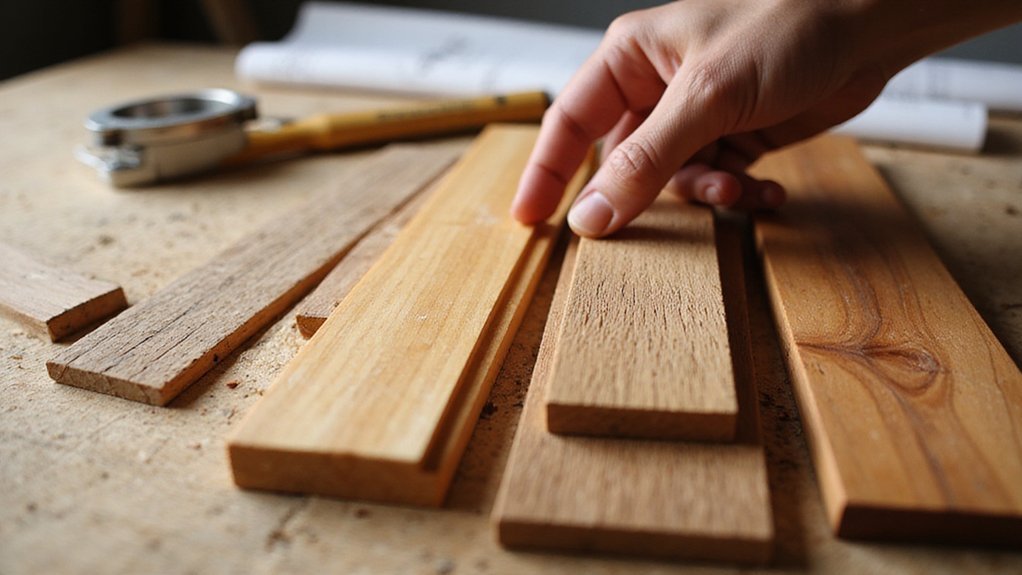
Studies show that poorly selected timber can reduce a pavilion’s lifespan by up to 50%, costing you thousands in repairs and replacements. When you’re planning your timber frame pavilion, you’ll face critical decisions about wood species, durability, and budget that directly impact how long your structure survives harsh weather and environmental stress. The right choice depends on understanding specific factors that separate a pavilion that lasts decades from one that deteriorates within years.
Know Your Climate and Weather Exposure
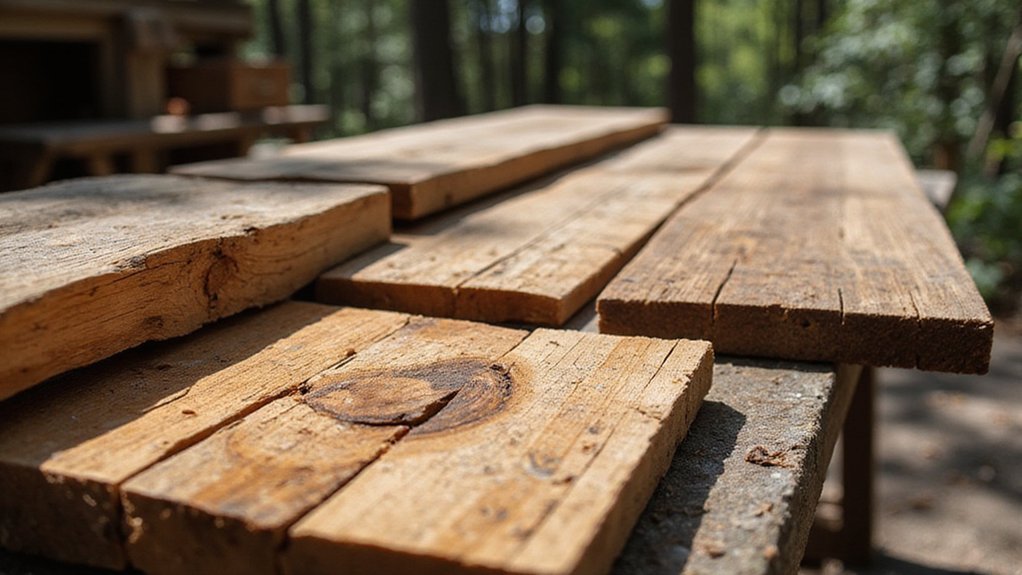
One of the most critical decisions you’ll make when choosing timber for your pavilion involves understanding the specific climate and weather conditions where your structure will stand. You’ll need to consider factors like rainfall, humidity levels, temperature fluctuations, and sun exposure in your region. If you’re building in a wet climate, you’ll want rot-resistant wood species such as cedar or teak. For areas with intense UV radiation, you’ll need timber that resists weathering and fading. You should also evaluate seasonal changes, as wood expands and contracts with moisture and temperature shifts. By analyzing your local climate patterns before selecting materials, you’ll guarantee your pavilion remains structurally sound and visually appealing for decades.
Hardwoods vs. Softwoods: Which Lasts Longer?
When you’re deciding between hardwoods and softwoods for your timber frame pavilion, it’s essential/necessary/vital to understand that the terms “hardwood” and “softwood” don’t necessarily refer to how hard or soft the wood actually is—instead, they’re based on the type of tree the wood comes from. Hardwoods, which come from deciduous trees like oak and cedar, typically resist decay and insects better than softwoods, making them more durable for outdoor pavilions. Softwoods, sourced from coniferous trees like pine and spruce,’re more affordable and easier to work with, though they require more maintenance and protective treatments. Your choice depends on your budget, maintenance commitment, and climate conditions, as hardwoods offer longevity while softwoods demand regular upkeep.
Calculate Load-Bearing Requirements First
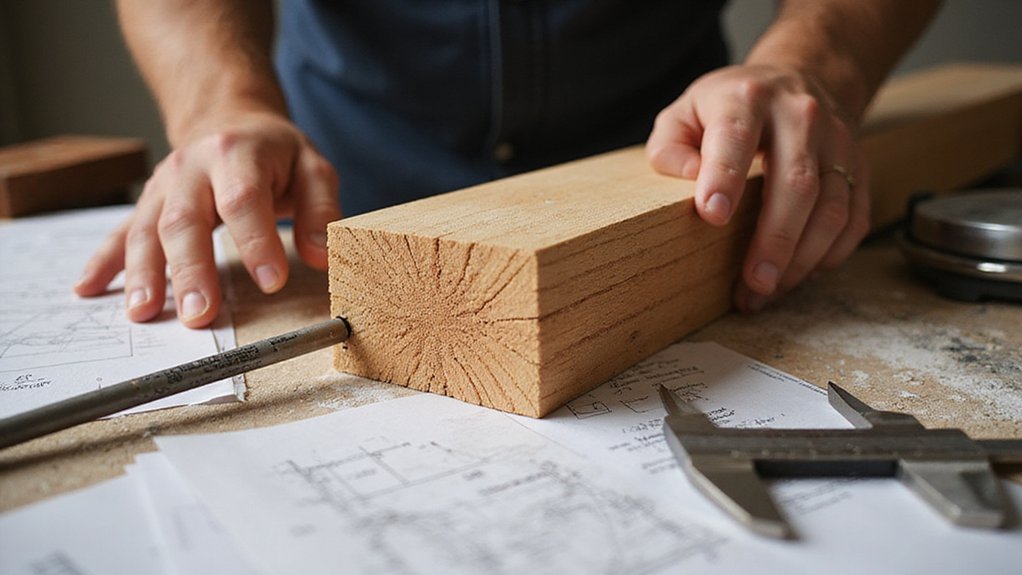
Before you select your timber and commence construction, you’ll need to calculate exactly how much weight your pavilion structure must uphold, since this calculation establishes which wood species and beam sizes you’ll actually require. Start by identifying all potential loads, including the pavilion’s own weight, snow accumulation, wind pressure, and any people who’ll use the space. You’ll also want to consider environmental factors specific to your location. Next, consult local building codes and work with structural calculations or a professional engineer, as they’ll provide precise requirements for your region. These professionals use mathematical formulas accounting for beam span, spacing, and wood grade to determine necessary dimensions. This foundational step guarantees your timber frame remains safe and stable under all conditions.
Compare Rot and Insect Resistance by Species
Since different wood species have varying natural abilities to resist decay and insect damage, you’ll want to carefully evaluate which timber’s durability characteristics best match your pavilion’s location and climate. Heartwood from species like cedar, redwood, and teak contains natural oils that repel rot and insects, making them excellent choices for outdoor structures. Pressure-treated lumber offers chemical protection for species that lack natural resistance, though it requires proper handling during installation. You should also consider your region’s moisture levels and pest activity, as these factors directly influence how well certain woods will perform. Local forestry experts can recommend species that thrive in your specific environment, helping you select timber that’ll maintain structural integrity for decades.
Match Timber Aesthetics Without Sacrificing Performance
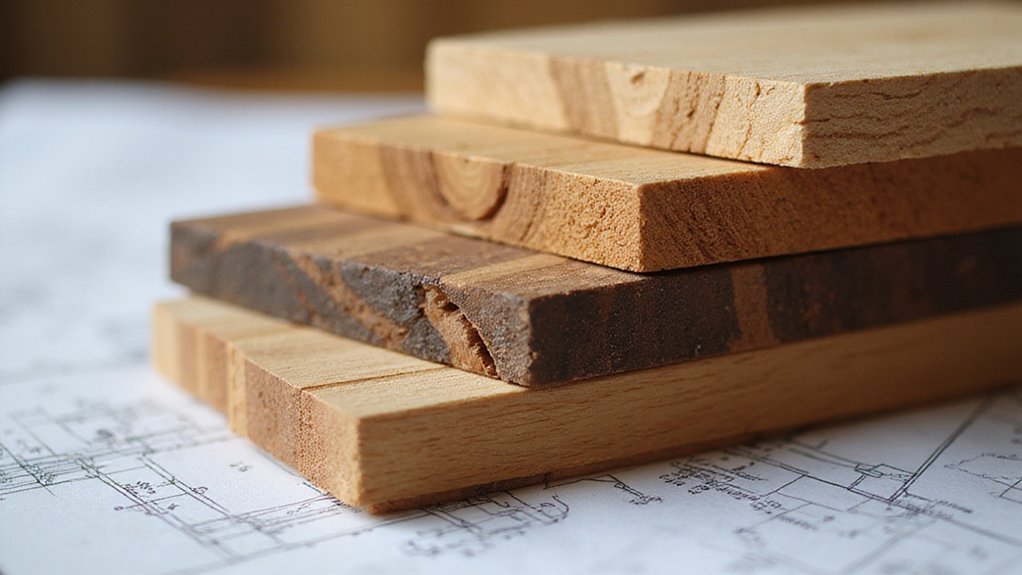
Selecting a wood species that’ll resist rot and insects is only part of the equation—you’ll also want your pavilion to look appealing while maintaining the structural performance you’ve chosen. Consider timber’s natural color and grain patterns, which profoundly influence your pavilion’s visual impact. Darker woods like mahogany or cedar offer rich aesthetics, while lighter species such as oak provide classic elegance. You shouldn’t compromise durability for appearance; many naturally rot-resistant species simultaneously deliver attractive finishes. Evaluate how different woods weather over time, as some develop attractive silver-gray patinas while others retain their original color with proper maintenance. Match your aesthetic preferences with your performance requirements by researching species that satisfy both criteria, ensuring your pavilion remains both beautiful and structurally sound for years.
Understand Structural Grading Standards and What They Mean
Wood grading systems exist to help you understand how strong and reliable your timber really is, since not all pieces of wood from the same species will perform identically in your pavilion’s frame. These grading standards evaluate factors like knots, splits, and density that directly affect structural performance. You’ll encounter grades ranging from premium select grades to lower utility grades, each suited for different applications. Select structural timber contains fewer defects and handles greater loads, making it ideal for vital beam positions. Lower grades work well for non-load-bearing elements where appearance matters less. Understanding these classifications guarantees you’re not overpaying for unnecessary quality or jeopardizing safety by selecting inadequate material for essential structural components.
Find Sustainably Harvested Timber Near You
Once you’ve determined what structural grades you’ll need for your pavilion, you’ll want to source your timber from suppliers who harvest responsibly and operate close to your location. Start by searching for local sawmills and timber dealers that’ve earned Forest Stewardship Council (FSC) certification, which guarantees sustainable practices. Contact your regional forestry department or extension office for supplier recommendations in your area. When you reach out to potential suppliers, ask about their harvesting methods, replanting initiatives, and wood species availability. Request documentation proving their environmental credentials. Buying locally reduces transportation costs and carbon emissions while supporting your community’s economy. Compare pricing among certified suppliers, but prioritize those demonstrating genuine commitment to forest conservation and long-term sustainability practices.
Calculate Annual Maintenance and Treatment Costs
Three key expense categories—protective treatments, repairs, and inspections—will shape your pavilion’s long-term budget once you’ve selected your timber and begun construction. Protective treatments, including stains, sealers, and wood preservatives, typically cost between $200 and $500 annually, depending on your pavilion’s size and climate exposure. You’ll need to reapply these treatments every two to three years to maintain effectiveness. Repair costs vary widely based on timber condition and damage severity, ranging from $100 to $1,000 yearly for minor fixes like replacing damaged boards or tightening connections. Annual inspections, which you should conduct yourself or hire professionals to perform, help identify problems early, preventing expensive repairs later. Budget approximately $300 to $600 annually for professional inspections, ensuring your pavilion remains structurally sound and protected.
Price Comparison: Budget for Different Wood Types
Beyond the annual maintenance costs you’ll need to plan for, the initial investment in your timber frame pavilion depends heavily on which wood species you select, since different types vary considerably in price and durability. Softwoods like pine and spruce typically cost less upfront, making them budget-friendly options for beginners, though they’ll require more frequent treatment and replacement. Hardwoods such as oak and cedar command higher prices but offer superior longevity and natural resistance to decay, reducing long-term expenses. Tropical hardwoods like teak provide exceptional durability and require minimal maintenance, yet their premium cost and environmental concerns warrant careful consideration. When budgeting, calculate both initial purchase prices and projected maintenance expenses across your pavilion’s lifespan to determine true cost-effectiveness.
Use a Decision Matrix to Choose Your Timber
After you’ve compared prices and gathered information about different wood species, you’ll want to organize your findings in a way that helps you make the best choice for your specific situation, and that’s where a decision matrix becomes invaluable. A decision matrix is a chart that lists your wood options down one side and your important criteria, such as durability, cost, appearance, and availability, across the top. You’ll assign each wood type a numerical score for every criterion, then calculate the totals. This systematic approach removes guesswork from your selection process, allowing you to weigh factors objectively and identify which timber best meets your pavilion’s requirements while balancing budget constraints with performance needs.
Conclusion
You’ve now gathered the essential knowledge to select your pavilion’s timber wisely, and just as a tree’s rings reveal its strength through years of growth, your thorough research reveals which wood’ll withstand your climate’s demands. By weighing hardwoods’ durability against softwoods’ affordability, calculating load requirements, and comparing maintenance costs, you’re building a foundation for a structure that’ll last generations, protecting your investment through seasons of weather exposure.