
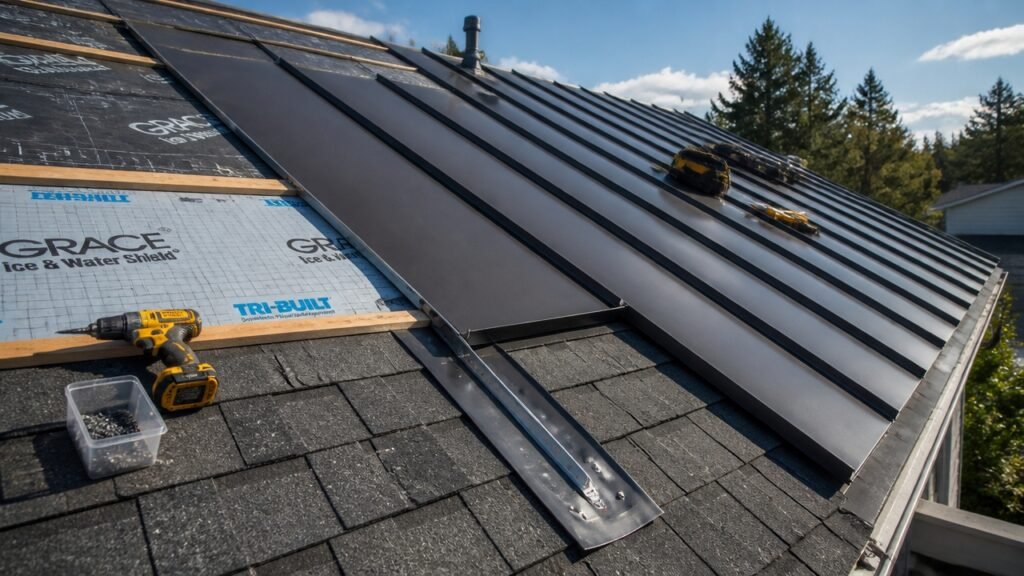
Installing metal roofing over your existing shingles is one of those home upgrades that sounds intimidating until you break it down.
It skips the messy tear-off, saves time, and can look surprisingly sleek when done right.
Of course, this isn’t a weekend project you jump into blindly. Your roof needs to handle the extra weight, and hidden damage has to be dealt with before anything new goes on.
A quick structural check and the right permits go a long way toward avoiding headaches later.
Ventilation matters more than most people realize. Without it, you’re trapping moisture and shortening the life of your investment.
Get these basics sorted early, and you’re setting yourself up for a roof that actually performs for decades.
Can Your Roof Handle Metal Roofing? Permits and Structural Checks
Check Your Roof’s Strength First
Metal roofing adds real weight to your home. Most systems run 50 to 150 pounds per square. That variation depends on the material and thickness you choose.
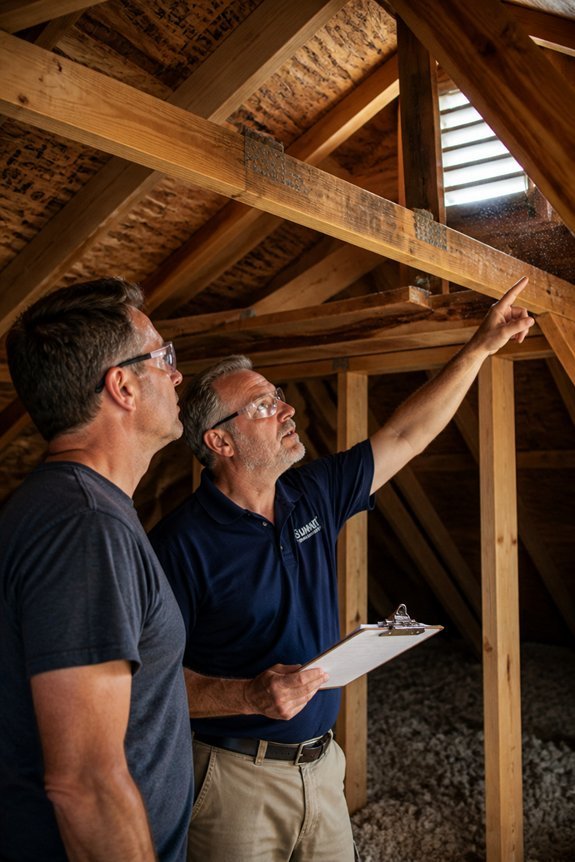
Your contractor needs to examine the framing, rafters, and trusses. These elements must handle the extra load without strain.
Get Your Paperwork in Order
Building permits come first. Contact your local authority before any work begins.
Codes differ from place to place. They shape how you install, ventilate, and layer your roof.
When to Call an Engineer****
Older homes need extra attention. Properties built before 1980 often require professional evaluation. A structural engineer can spot weaknesses and recommend reinforcements.
Professional inspections catch problems early. This step saves money and keeps your project safe from start to finish.
Get Your Old Shingles Ready
A structural assessment is your first step. It confirms your roof can handle metal roofing. Once cleared, turn your attention to the existing shingles.
Inspect them carefully. Look for damage, rot, or loose sections. Fix any deterioration you find. Severely damaged areas need repair or replacement. This creates a stable base for your new roof.
Clean the shingle surface thoroughly. Remove debris, moss, and algae with the right tools. Flatten or remove any protruding nails. These could interfere with metal panel installation. Secure loose or curled shingles. Replace them if needed.
Check your gutters and flashing too. Clean them out completely. This ensures proper water drainage with your new metal roof system.
Metal Roofing Installation Tools and Materials
Essential Tools
You’ll need a tape measure and circular saw for accurate cuts. Metal snips handle detailed trimming. A roofing nailer with proper fasteners speeds up the job.
Safety comes first. Fall protection harnesses, gloves, and eye protection keep you secure. Ladder systems provide stable roof access.
Core Materials
Underlayment creates a protective base layer. Metal panels, ridge caps, and flashing form the main weather barrier. Closure strips and sealant block moisture at every edge.
A chalk line marks straight paths for panel placement. A level checks alignment as you work. Metal roofing screws fasten everything securely.
Preparation Tips
Gather all items before you start. This prevents delays and keeps your workflow smooth. A well-organized workspace makes installation faster and safer.
How to Install Metal Roofing Over Shingles
Installing metal roofing over existing shingles takes planning and care. Start by checking your current roof for damage or rot. Fix any problems before moving forward.
Most installers add furring strips or battens on top of the shingles. These create space for air flow and drainage. Metal panels then fasten to these strips with screws or clips made for roofing.
Pay close attention to overlaps and flashing. Seal around vents and chimneys carefully. Add ridge caps at the peak to keep water out. Good ventilation matters at every step.
Installation Pitfalls and How to Sidestep Them
Common mistakes during metal roof installation over shingles usually trace back to rushed preparation or missed details. Debris, moss, or loose shingles left in place create uneven surfaces. This throws off panel alignment and weakens water resistance.
Fastener choice matters more than many realize. The wrong gauge or corrosion-prone materials invite rust and structural problems down the road. Flashing around vents and chimneys needs careful attention too. Gaps here become entry points for water.
Slope affects drainage more than people expect. Too shallow, and water pools instead of running off. Ventilation often gets skipped, but trapped moisture breeds mold and decay underneath. Local building codes exist for good reason. Ignoring them leads to permit headaches and safety risks.
A thorough site inspection catches most issues early. Pair that with proper materials and code compliance, and you sidestep expensive repairs later.
Frequently Asked Questions
How Long Does a Metal Roof Typically Last Compared to Traditional Shingles?
Metal roofs typically last 40-70 years, considerably outlasting traditional asphalt shingles, which generally last 15-25 years. This extended lifespan makes metal roofing a more durable long-term investment despite higher initial costs.
What Is the Average Cost Difference Between Metal and Asphalt Shingle Roofing?
Metal roofing typically costs 2-3 times more than asphalt shingles upfront, ranging from $8-15 per square foot versus $3-5 for asphalt. However, longevity and durability often offset initial expenses over time.
Will Metal Roofing Make My Home Noisier During Rainstorms or Hail?
Metal roofing does not necessarily increase noise during rain or hail. Like a drum with proper dampening, modern metal roofs include insulation and underlayment that absorb sound, keeping homes as quiet as traditional asphalt shingles.
What Color and Style Options Are Available for Metal Roofing Materials?
Metal roofing comes in numerous colors including bronze, charcoal, stone gray, and red. Style options feature standing seam, corrugated, and metal shingle designs that mimic traditional asphalt or wood appearances.
Can I Install Metal Roofing Myself, or Do I Need Professional Help?
One could attempt DIY metal roofing installation if one enjoys heights, specialized tools, and structural calculations. Most homeowners benefit from professional installation, ensuring proper fastening, ventilation, and warranty compliance that DIY rarely achieves.
Conclusion
Installing metal roofing over existing shingles requires careful planning, proper permits, and structural verification. Success depends on addressing underlying damage, installing furring strips for drainage, securing panels correctly, and following flashing guidelines. While the process saves time and money compared to removal, overlooking local building codes or installation details risks costly failures. Homeowners who attend to these critical elements, however, can achieve a durable, long-lasting roof system.