
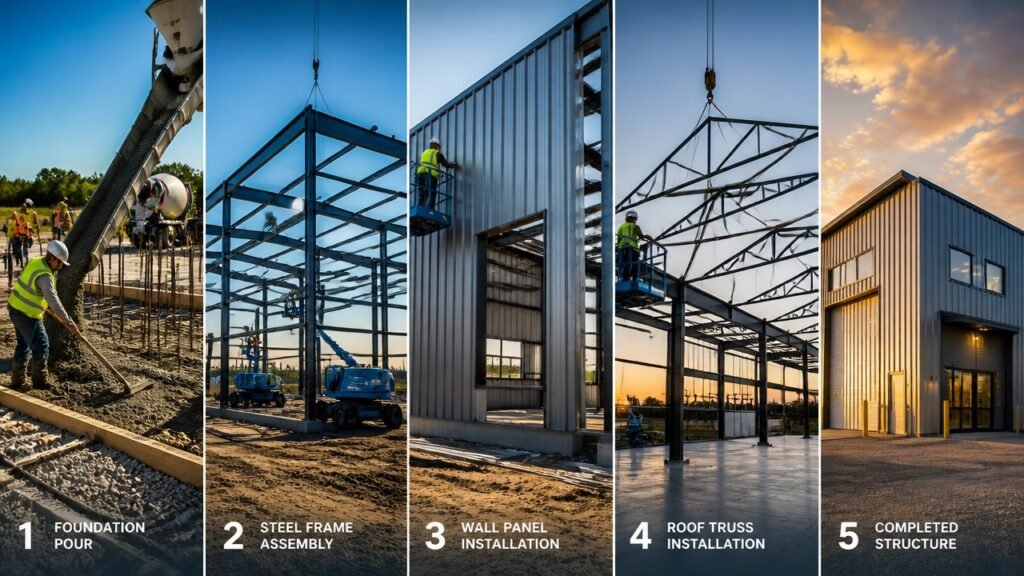
Building a steel warehouse might sound industrial, but it starts with the same intention as any thoughtful space: getting the basics right. Site selection comes first, quietly shaping everything that follows. Soil stability, utility hookups, and room to grow all factor into where you break ground.
Once the land is settled, permits and codes step into focus. This part moves slowly by design, and that is okay. Rushing here only creates headaches later when inspectors arrive or weather seals fail.
The layout deserves real attention, even if it feels less exciting than steel beams. Receiving bays, storage flow, and shipping paths all determine how smoothly your days will run. A little extra planning now saves countless steps later.
Finally, there is the steel itself and the people raising it. Climate and daily demands guide your material choice, while patient timeline management keeps quality and safety in check from start to finish.
Select Your Location and Assess Site Requirements
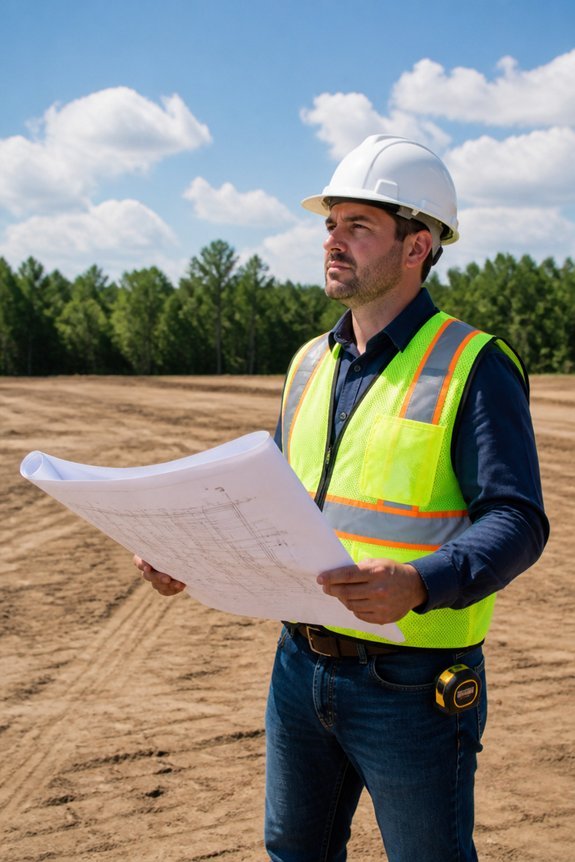
Choosing a location starts with space. You’ll need room for the building itself. But don’t forget parking, loading zones, and space to grow later.
Next, check the ground beneath you. Soil testing shows if it can support your foundation properly. Weak or unstable ground means costly surprises down the road.
Consider how goods will move in and out. Easy access to highways, rail lines, or ports keeps shipping smooth and costs down. Poor connections slow everything.
Zoning rules matter too. Make sure local laws actually allow warehouse operations on your chosen land. A quick call to city planning saves major headaches.
Utilities need verification before you commit. Water, electricity, and gas must reach the site without expensive extensions.
Don’t skip flood risk checks. Know your elevation and drainage patterns. Water damage destroys inventory fast.
Finally, look around the property. Wetlands and protected habitats bring strict building limits. Factor in possible delays or design changes.
Secure Permits and Comply With Building Codes
Once your site assessment confirms a viable location, the permitting process begins. Builders need zoning permits, building permits, and environmental clearances from local authorities. Requirements vary by jurisdiction, location type, and warehouse size.
Steel structures must comply with local building codes, fire safety regulations, and foundation standards. Documentation typically includes structural plans, soil reports, and safety assessments. Processing times range from weeks to months, depending on complexity.
Reach out to your local building department early. They can explain specific requirements, fees, and timelines. Non-compliance leads to project delays, fines, or required modifications.
Design Your Warehouse Layout for Efficiency
Time to Plan Your Space
Permits are approved. Construction is starting. Now your layout decisions will shape daily operations for years to come.
Smart layout design pays attention to four key areas: receiving, storage, packing, and shipping. Each zone needs clear purpose and proper placement.
Keep Heavy Items Close
Position weighty inventory near your loading areas. This simple choice cuts down on handling time and labor costs. Your team will thank you for shorter trips with heavy loads.
Aisle and Storage Basics
Wide aisles let forklifts move freely. Vertical storage takes advantage of your steel structure’s height. This combo saves floor space while keeping everything accessible.
Comfort and Safety Matter
Climate control protects temperature-sensitive goods. Clear pathways stop congestion before it starts. Together, these choices prevent accidents and product loss.
Lighting and Product Flow
Bright, even lighting reduces errors and keeps workers safe. Grouping similar products in designated zones makes daily work smoother. Everyone knows exactly where things belong.
The Payoff
A well-planned layout trims waste and boosts output. Small choices in the design phase add up to major gains once doors open.
Choose Your Steel Type and Specifications
Layout planning shapes daily operations. Steel selection determines decades of reliable performance.
Builders face three main options. Galvanized steel works well in humid climates. Painted steel fits drier regions. Stainless steel resists corrosion best but costs significantly more.
Specifications matter for every project. Consider grade, thickness, and load capacity. Warehouse applications typically use steel gauges from 18 to 7.
Partner with structural engineers before finalizing choices. They ensure selections meet local codes and match your actual usage needs.
Manage Your Construction Timeline and Oversee Installation
Keep permits, deliveries, and crew schedules on track. Monitor weather closely. Rain, snow, or extreme heat can stop work fast.
Set clear deadlines for every phase. Foundation work leads to framing, then roofing. Check in often with suppliers, contractors, and inspectors. This prevents small issues from becoming big delays.
Visit the site regularly. Make sure workers follow safety rules and meet quality standards. Keep records of progress, receipts, and inspections. This protects your project if questions come up later. Spot problems early. Fix them before costs pile up.
Frequently Asked Questions
What Is the Average Cost to Build a Steel Warehouse?
The average cost to build a steel warehouse ranges from $15 to $25 per square foot, depending on location, size, design complexity, materials quality, and local labor rates. A 10,000 square foot facility typically costs $150,000 to $250,000.
How Long Does a Steel Warehouse Typically Last Before Needing Replacement?
A steel warehouse stands as a fortress of durability, typically lasting 40-50 years before requiring replacement. With proper maintenance and protective coatings against corrosion, some structures endure even longer, making steel a reliable long-term investment.
What Maintenance Is Required to Keep a Steel Warehouse in Good Condition?
Regular maintenance of steel warehouses includes inspecting for rust and corrosion, applying protective coatings, checking structural integrity, maintaining proper drainage, lubricating moving parts, and addressing any damage promptly to guarantee longevity.
Can I Modify or Expand My Steel Warehouse After Construction Is Complete?
While some believe steel structures are permanent fixtures, modifications and expansions are entirely feasible. Additional bays can be added, roof panels replaced, and wall sections repositioned. Steel’s modularity allows straightforward reconfiguration to accommodate evolving operational needs.
What Insurance Coverage Do I Need for a Steel Warehouse Facility?
Steel warehouse owners typically need property insurance covering the building structure, contents insurance for stored materials, liability coverage for injuries or damages, and business interruption insurance protecting against revenue loss during operational disruptions.
Conclusion
Building a steel warehouse requires careful attention to location selection, permits, layout design, material specifications, and construction oversight. Like assembling a complex puzzle, each step depends on the previous one for proper fit and function. Successful warehouse construction demands coordinated planning, compliance with regulations, and quality management. Organizations that follow these five phases systematically establish durable facilities that meet operational needs efficiently and reliably.