
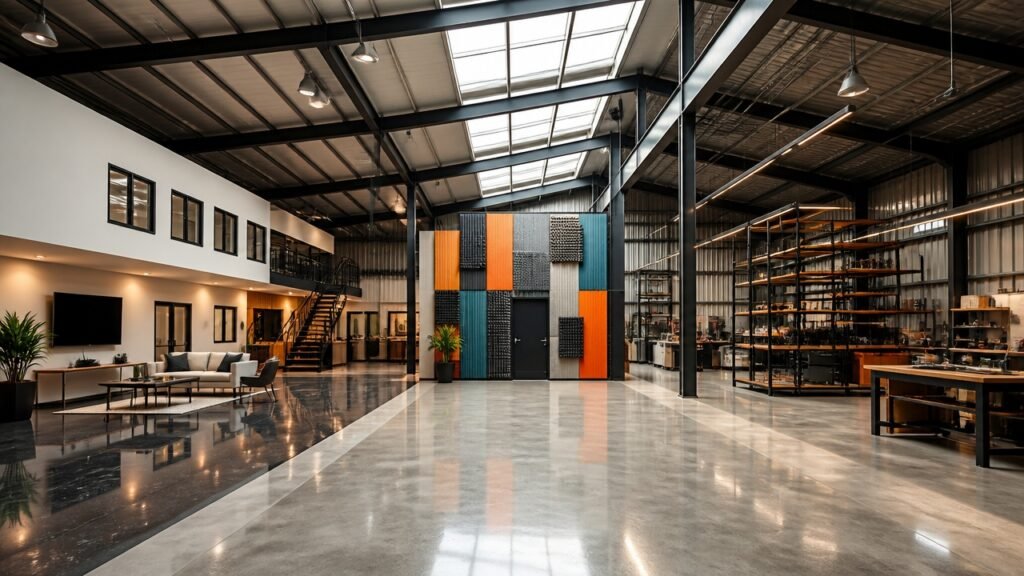
Metal buildings make practical workspaces, but they rarely feel inviting right away.
The good news? A few thoughtful updates can completely shift the atmosphere.
Start with insulation. It keeps temperatures steady year-round, so the space stays comfortable through summer heat and winter cold. No more layering up just to work in your own shop.
Lighting comes next. A single overhead fixture leaves corners dark and unwelcoming. Layer in task lights, ambient sources, and maybe a few well-placed wall sconces. The result feels intentional rather than industrial.
Finally, consider the sound. Hard metal surfaces amplify every echo.
Acoustic panels or soft textiles absorb that harsh noise, making long hours inside far more pleasant. Each choice builds on the last, creating a space that finally feels like yours.
Insulate and Climate-Control Your Metal Building So It’s Actually Comfortable
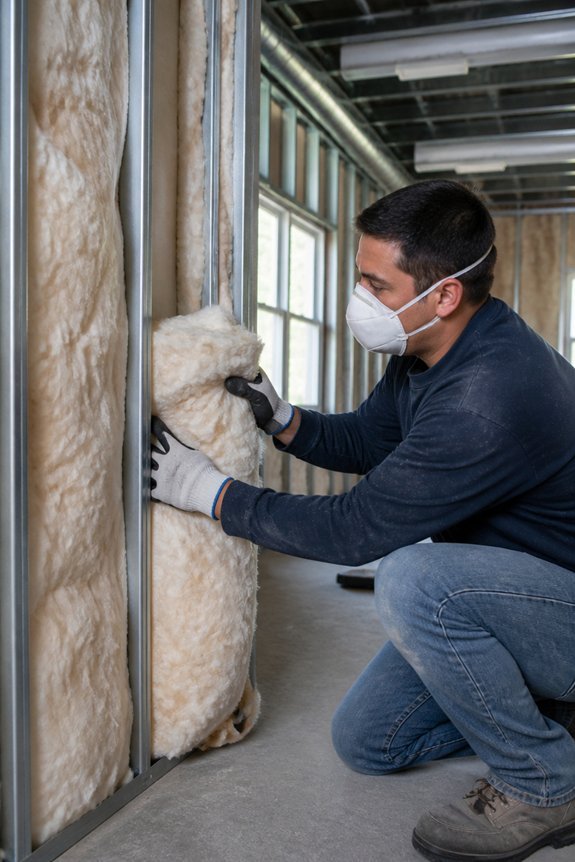
Comfort in a metal building doesn’t happen by accident. You need to plan for temperature control and moisture management from the start.
Start with the Right Insulation****
Fiberglass batts work well for basic projects. Spray foam seals tight gaps and offers higher R-values. Rigid boards give you sturdy coverage with clean installation. Each option fits different needs and budgets, so pick what matches your building’s purpose.
Stop Moisture Before It Starts
Condensation is the enemy of metal buildings. It rusts your structure and ruins anything stored inside. Proper ventilation keeps air moving and prevents this buildup. Place vents strategically and add fans where air gets stale. A vapor barrier beneath your insulation blocks outside moisture from sneaking in.
Keep Temperatures Steady
Reflective roof coatings bounce summer heat away from your building. Your HVAC system does the heavy lifting year-round. Size your heating and cooling units properly for your space. Insulated ductwork prevents energy loss as air travels through your building.
Putting It All Together
These systems work as a team. Insulation slows heat transfer. Ventilation manages humidity. Climate control keeps you comfortable. Combined, they turn your metal building from a sweaty freezer into a space you actually want to spend time in.
Layer Lighting to Brighten Metal Interiors and Create Defined Zones
Layered Lighting for Metal Interiors
Bare metal surfaces bounce light unpredictably. This creates harsh bright spots and deep shadows that strain the eyes. Layered lighting solves this problem step by step.
Start with LED panels overhead for basic illumination. Add task lights at workstations for detail work. Finish with accent lighting to highlight key zones or features. Each layer fills in gaps the others miss.
Height and Placement Matter
Mount fixtures at different levels to spread light evenly. Position lights thoughtfully near reflective walls. This reduces glare and softens shadows across the space.
Set the Right Mood
Warm tones relax. Cool tones energize. Choose based on how people use each area. Dimmers add flexibility, letting workers adjust brightness for different tasks.
Metal buildings can feel cold and unwelcoming. Good lighting warms them up. It also creates clear zones for focused work, casual breaks, and safe movement.
Finish Your Walls to Hide Industrial Metal and Absorb Noise
Lighting shapes how a space feels, but surfaces matter just as much. Metal walls reflect sound and light harshly. This creates uncomfortable environments for workers.
Several materials can help. Insulation batts absorb noise effectively. Fiberglass panels and acoustic foam reduce reverberation too. Drywall over metal studs hides industrial surfaces. It also improves thermal control. Fabric-wrapped panels add aesthetics while dampening sound. Paint for metal surfaces offers basic coverage. However, it adds minimal acoustic benefit.
Combining materials works best. Try insulation plus drywall plus paint. Workers gain quieter spaces and stable temperatures. The finished look feels functional rather than industrial.
Frequently Asked Questions
What Flooring Options Work Best for Metal Building Interiors?
Concrete flooring provides durability and moisture resistance for metal buildings. Epoxy coatings enhance aesthetics and protect surfaces. Polished concrete offers a professional appearance. Rubber mats accommodate comfort in work areas. Vinyl or sealed concrete serves cost-effective solutions.
How Can I Improve Air Quality Inside My Metal Building?
One must not put all eggs in one basket when improving air quality. Installing proper ventilation systems, air filtration units, and ensuring regular duct cleaning greatly enhances indoor air circulation within metal buildings.
What Safety Considerations Should I Address During Interior Renovation?
Safety considerations during metal building interior renovation include ensuring proper ventilation, wearing protective equipment, addressing electrical hazards, securing structural integrity, managing dust and fumes, and obtaining necessary permits before beginning work.
How Do I Choose Paint Colors That Complement Metal Architecture?
Curiously, many designers discover that neutral tones like soft grays and warm whites naturally enhance metal’s industrial character. Jewel tones complement exposed steel beams, while lighter palettes emphasize spaciousness and reflect natural light beautifully off metallic surfaces.
Can I Add Windows to an Existing Metal Building Structure?
Yes, windows can be added to existing metal building structures. Modifications require cutting openings in the metal panels and installing proper framing, flashing, and weatherproofing. A structural engineer should assess load requirements and guarantee compliance with local building codes before installation.
Conclusion
Metal building interiors needn’t remain cold, loud, industrial spaces. By combining insulation, layered lighting, and acoustic wall treatments, owners create functional, comfortable environments. While these upgrades require initial investment, they deliver long-term benefits through improved energy efficiency, better employee productivity, and enhanced property value. Spray foam insulation, LED panels, and fabric-wrapped acoustic panels transform raw metal structures into practical workspaces.