
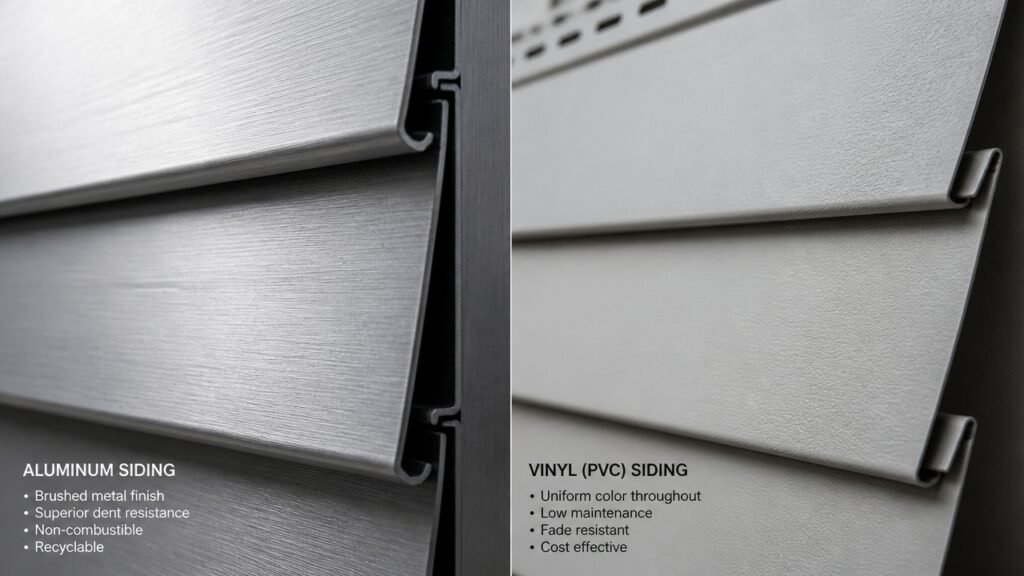
Metal siding and vinyl siding each bring their own personality to a home’s exterior. One leans industrial and enduring. The other offers approachable charm with a friendlier price tag. Choosing between them comes down to how you live and what you value most.
Longevity sets these materials apart from the start. Metal holds strong for 40 to 60 years, often outlasting the mortgage. Vinyl keeps pace for a respectable 20 to 40 years, then gracefully bows out. That gap matters if you plan to stay put for decades.
Beyond lifespan, the real differences emerge in daily life. Maintenance routines, installation headaches, and how each material responds to your local weather all shape the experience.
Some homeowners prioritize design freedom. Others care deeply about recyclability when the time eventually comes.
Understanding these seven key differences helps you land on a choice that fits your budget, your climate, and your long-term plans.
No single option wins for everyone. The best siding is the one that feels right for your specific home.
Weather Resistance and Climate Performance
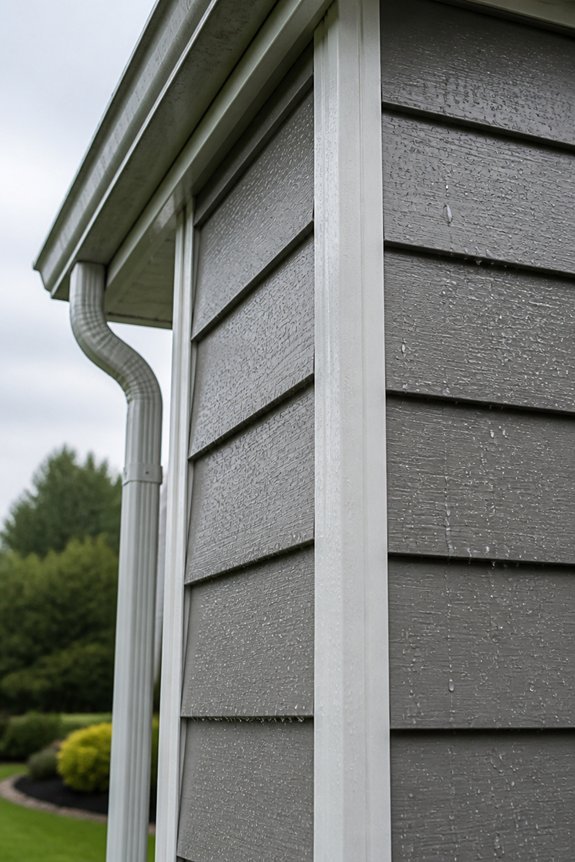
Siding materials face constant exposure to the elements. Your local climate directly impacts how long your siding lasts and how much upkeep you’ll need.
Metal siding stands up well to harsh conditions. It handles high winds, hail, and heavy rain with ease. This makes it a solid pick for regions with severe weather patterns. In humid coastal areas, plan for occasional rust prevention treatments.
Vinyl siding suits milder climates best. It performs reliably in moderate temperatures but can turn brittle during extreme cold. Intense heat may cause warping or cracking over time. Most regions work fine for vinyl, though prolonged sun exposure can lead to fading.
Both materials keep moisture out when installed correctly. Metal offers superior durability in tough environments. Vinyl provides dependable performance across many climate zones with simpler maintenance needs. Your specific weather patterns should guide your final choice.
Metal vs. Vinyl: Which Material Lasts Longer?
How Long Does Siding Actually Last?
Metal siding holds strong for 40 to 60 years. Vinyl siding typically lasts 20 to 40 years. That gap matters if you plan to stay in your home long-term.
Why Metal Outlasts Vinyl
Metal resists corrosion and stands up to harsh weather. Its structural strength keeps it intact through decades of use. Vinyl breaks down faster under intense sun and temperature swings. It can crack or warp when conditions get tough.
What Affects Lifespan****
Coastal homes see vinyl deteriorate more quickly. Salt air and moisture speed up the aging process. Proper installation helps vinyl last longer, but it never quite catches up to metal.
Maintenance Basics
Both materials need some attention. Metal requires occasional painting or recoating to prevent rust. Vinyl mainly needs regular cleaning to stay looking fresh. Neither is completely hands-off.
Making Your Choice
Think about how long you will own your home. Factor in replacement costs and ongoing maintenance. Your local climate should guide the decision too. Metal costs more upfront but rarely needs replacement. Vinyl fits tighter budgets but may need swapping sooner.
Upfront Price and Long-Term Value
Siding costs include both the initial price and future expenses. Vinyl siding runs $3 to $8 per square foot installed. This makes it the cheaper option at first.
Metal siding costs $7 to $12 per square foot. You pay more upfront. But it lasts 40 to 60 years. Vinyl only lasts 20 to 40 years.
Vinyl needs more upkeep and replacement over time. Those costs add up. Metal resists dents better and needs little maintenance. This lowers your long-term spending.
Look at total ownership costs, not just the purchase price.
How Often Will You Need to Maintain It?
Metal and vinyl siding have very different upkeep needs.
Metal siding needs regular checks for rust. This matters most near the coast or in humid areas. You will likely need to repaint it every 10 to 15 years. Scratches tend to stand out on metal surfaces.
Vinyl siding is much simpler to maintain. A quick pressure wash removes dirt and mildew now and then. It does turn brittle in very cold weather though.
Both materials can get damaged in severe storms. Dents and impacts may call for spot repairs. Metal shows marks more clearly. Vinyl hides small flaws better.
Design Options: Metal Siding vs. Vinyl Aesthetics
Aesthetics Matter
Your siding choice shapes your home’s entire look. Metal siding delivers a modern, sleek appearance with standing seam and corrugated profiles. Popular colors include silver, bronze, and charcoal.
Vinyl siding offers traditional wood grain textures, shakes, and smooth finishes. You’ll find plenty of options in whites, grays, and earth tones.
Durability and Style Fit
Metal maintains its color longer without fading. Vinyl can show wear and color degradation over time.
Contemporary designs pair well with metal’s clean lines. Classic or colonial styles typically call for vinyl’s timeless appeal.
Both materials limit customization compared to wood. Manufacturers keep expanding color and texture choices, though.
Installation Costs and Complexity
Installation costs and complexity vary considerably between metal and vinyl siding.
Vinyl typically costs less upfront. It ranges from $3 to $12 per square foot installed. Metal siding runs higher, at $8 to $15 per square foot.
Vinyl installation requires basic tools. Cutting is simpler, and fastening procedures are straightforward. Metal siding demands specialized equipment. Precise measurements and careful alignment prevent gaps.
Professional installation works best for metal due to technical requirements. Vinyl allows more DIY flexibility for experienced homeowners.
Labor costs depend on regional rates, project scope, and contractor experience. Both materials need proper underlayment and flashing for weather protection.
Environmental Impact: Which Siding Is Recyclable?
Metal Siding: A Recyclable Choice****
Metal siding is typically made from aluminum or steel. Both materials are fully recyclable. They enter established recycling streams with ease.
Manufacturers often use recycled content in new metal products. This reduces waste considerably. The production process does use more energy initially. However, the long-term recyclability offsets these environmental costs.
Vinyl Siding: Recycling Challenges****
Vinyl siding faces real obstacles with recycling. Most facilities simply cannot process it. This leads to landfill disposal as the common outcome.
Some specialized vinyl recyclers do exist. Their availability remains limited, though. Vinyl manufacturing also relies on fossil fuels. Chemical byproducts are created during production.
Making Your Decision
Homeowners who prioritize sustainability often prefer metal siding. Its complete recyclability and reduced landfill impact make it the more environmentally responsible option.
Frequently Asked Questions
Can Metal Siding Be Dented or Damaged More Easily Than Vinyl Siding?
Metal siding is more susceptible to denting from impact than vinyl siding. However, metal resists punctures and tears better, while vinyl can crack in extreme cold or sustain permanent damage from UV exposure over time.
Which Siding Material Provides Better Insulation and Energy Efficiency for Homes?
Surprisingly, vinyl siding outperforms metal in insulation despite metal’s reputation for durability. Vinyl’s cellular structure traps air effectively, reducing energy costs considerably. Metal conducts temperature readily, requiring additional insulation layers underneath for comparable efficiency.
Are There Fire Safety Differences Between Metal and Vinyl Siding Materials?
Metal siding demonstrates superior fire resistance, being non-combustible and inherently flame-resistant. Vinyl siding can melt or release toxic fumes when exposed to high temperatures, making it less desirable for fire-prone regions.
Does Metal Siding Attract Lightning More Than Other Exterior Materials?
Metal siding presents an enhanced opportunity for electrical engagement during atmospheric disturbances. Its conductive properties facilitate lightning attraction more readily than vinyl or wood alternatives, necessitating proper grounding systems for ideal safety protection.
What Resale Value Impact Does Each Siding Type Have on Homes?
Vinyl siding typically enhances resale value more favorably than metal siding. Homes with vinyl siding appeal to broader buyer markets and command higher prices. Metal siding may require specialized maintenance, potentially limiting buyer interest and reducing property values.
Conclusion
Choosing between metal and vinyl siding requires weighing immediate costs against long-term expenses. Metal lasts 40 to 60 years, resists harsh weather better, and recycles completely, yet demands periodic maintenance and higher upfront investment. Vinyl costs less initially, needs simpler cleaning, but degrades faster in extreme climates and creates recycling challenges. Homeowners must decide: pay more now for durability, or accept future replacement costs?