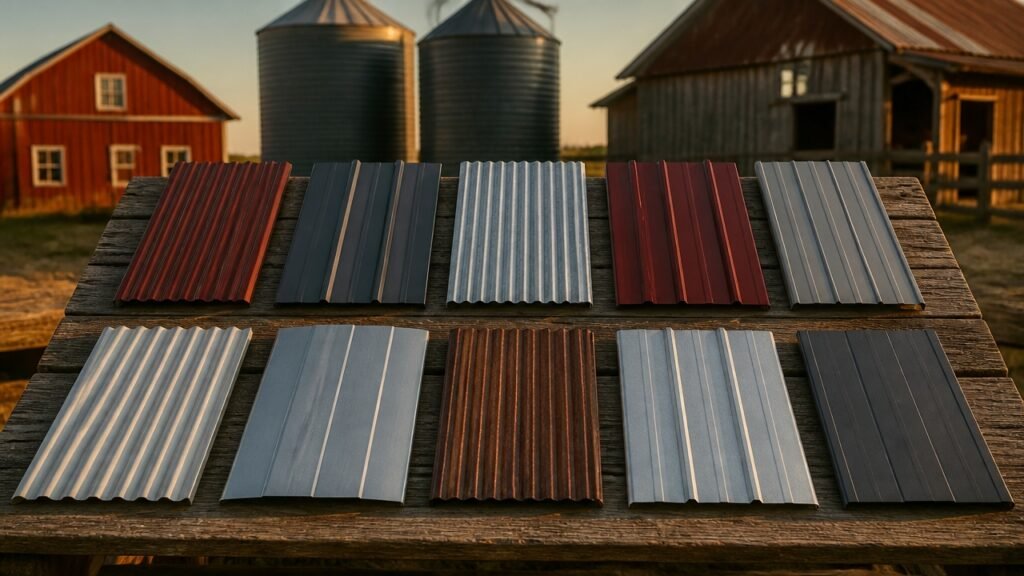
Farm buildings need siding that can handle real life out there. Moisture, shifting temperatures, and daily wear all take their toll. Metal has become the go-to choice for farmers who want protection without constant upkeep.
Not all metal siding is created equal, though. Galvanized steel stands up beautifully in wet climates where rust is a real concern.
Corrugated panels keep costs down without sacrificing basic protection. For those thinking generations ahead, copper and zinc alloys promise performance that can last a century or more.
Your best match depends on what matters most to you right now. Budget constraints, local weather patterns, and how long you plan to stay put all shape the decision.
Taking time to understand each material’s strengths makes the choice feel less overwhelming and more like finding the right fit for your particular setup.
Choose Metal Siding by Climate and Budget
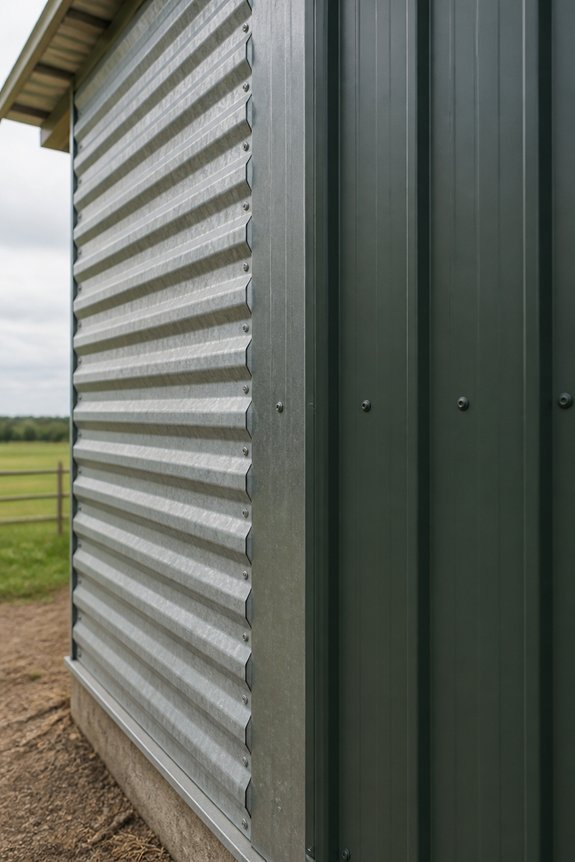
Climate and location shape your metal siding decision. Coastal farms need corrosion-resistant materials like aluminum or galvanized steel. Cold regions benefit from insulated panels that cut heat loss.
Budget plays a big role too. Corrugated metal costs less upfront but requires more upkeep. Standing seam panels cost more initially yet last longer and seal out moisture better. Painted finishes add curb appeal and reasonable protection.
Farmers should weigh long-term maintenance against purchase price. The right choice balances your local weather, your wallet, and your building’s needs.
Corrugated Metal Panels: Most Affordable Agricultural Standard
Corrugated Metal Panels: Most Affordable Agricultural Standard
Corrugated metal panels are the go-to choice for budget-conscious farmers. They need durable siding that won’t break the bank.
These panels feature wavy, ridged surfaces. The design boosts structural strength while keeping material costs low. You get solid protection without the premium price of alternatives.
Popular Material Options
Galvanized steel resists rust thanks to its zinc coating. Aluminum weighs less and needs little upkeep over time. Both materials handle farm life well.
Pricing and Performance
Expect to pay $2 to $5 per square foot installed. These panels stand up to harsh weather, heavy snow, and strong UV exposure. They simply last.
Installation Basics
Standard widths come in 26 and 36 inches. This fits most barn dimensions without extra cutting. You’ll need basic tools and minimal specialized labor to get the job done.
Standing Seam Metal Roofing: Premium Protection and Decades of Lifespan
Standing seam metal roofing offers premium protection that lasts. Its vertical panels feature raised seams running from peak to eave. This creates a tight seal against wind and water.
Hidden fasteners sit beneath the seams instead of exposed screws. Water has fewer entry points, so leaks stay rare. The design simply works better for keeping buildings dry.
These roofs typically last 40 to 70 years. Corrugated alternatives often need replacement decades sooner. For agricultural buildings, that longevity means real savings.
Maintenance costs drop significantly over time. Farmers spend less on repairs and worry less about storm damage. The upfront investment pays off through reduced lifecycle expenses.
Installation does require skilled crews and specialized tools. This raises initial costs compared to basic metal roofing. Most agricultural producers find the long-term value worth it.
Material choices matter too. Galvalume and weathering steel both resist rust exceptionally well. Your building stays protected season after season.
Metal Shingles: Attractive Siding With Commercial-Grade Durability
Metal Shingles: Attractive Siding With Commercial-Grade Durability****
Metal shingles blend traditional roofing looks with serious strength. They suit agricultural buildings perfectly. These shingles copy slate, wood, or asphalt appearances. Yet they last far longer than those materials.
Harsh weather poses no problem. Heavy snow, wind, and hail roll right off. Maintenance stays minimal compared to standard roofs. Farmers appreciate fewer repairs and less upkeep time.
Individual shingles overlap during installation. Fasteners lock each piece in place. This creates a tight barrier against moisture and wind. Steel, aluminum, and copper give buyers real choices.
Agricultural operations see clear advantages. Replacement happens rarely. Fire resistance adds crucial protection. Long-term costs drop significantly as a result.
Galvanized Steel Siding: Rust Resistance for Wet Farm Climates
Rust Protection for Wet Climates
Steel siding with a zinc coating protects agricultural buildings in damp, rainy environments. Rust becomes a serious concern in these conditions. The galvanizing process applies a protective zinc layer to steel. This creates a barrier against moisture and corrosion.
Long-Lasting Performance
Galvanized steel siding resists rust longer than bare steel. It typically lasts 20 to 50 years depending on climate severity. Farmers in coastal, humid, or high-rainfall regions benefit greatly from this durability.
Low Maintenance Needs
The material requires minimal upkeep. Occasional cleaning with water removes accumulated dirt and debris. This simple care keeps your siding looking and performing its best.
Cost-Effective Choice
Galvanized steel offers affordability compared to stainless alternatives. This makes it practical for large agricultural structures. Barns, equipment sheds, and storage facilities all gain from this smart investment.
Aluminum Composite Panels: Lightweight Strength for Large Farm Structures
What Makes Them Different
Aluminum composite panels sandwich a polyethylene core between two aluminum sheets. This design keeps weight low. It also maintains impressive strength for covering large surfaces.
Why Weight Matters for Farm Buildings
Heavy siding puts stress on foundations. Lighter panels mean less concrete and simpler footings. Barns and equipment sheds go up faster. Your budget stretches further on materials and labor.
Built for Rural Conditions****
The aluminum face shrugs off moisture and temperature swings. The inner core adds a layer of insulation. Your buildings stay drier and more comfortable inside.
Simple Installation, Lasting Value****
Standard fasteners work fine. Crews learn the process quickly. Once up, these panels ask little of you for two to three decades. No scraping, no repainting, no headaches.
Where They Fit Best
Poultry houses, grain bins, and livestock shelters all benefit. Any structure where you need coverage without the load works well. Weather protection comes standard.
Copper and Zinc Alloy Siding: Century-Long Protection Worth the Premium
Built to Outlast
Farmers who choose copper and zinc alloy siding invest in protection that spans generations. These materials develop protective patinas over time. They naturally resist corrosion and weathering without added effort.
Two Strong Options
Copper delivers superior durability. It lasts 100+ years with minimal upkeep. Zinc alloys offer comparable longevity at a friendlier price point. Both handle extreme temperatures, salt spray, and UV exposure with ease.
Smart Long-Term Value
Initial costs run higher than steel or aluminum. Expect $8-12 per square foot installed. But reduced replacement cycles and maintenance needs offset that premium over decades.
Best Fits for Your Farm
Barns, grain storage facilities, and equipment shelters benefit most from this investment. The upfront cost pays dividends in lasting protection.
Weathering Steel (Corten) Siding: Self-Protecting Rust Layer for Low Maintenance
Weathering steel forms a rust-colored coating on its surface. This natural barrier stops corrosion from going deeper. The layer develops through simple exposure to moisture and oxygen.
No paint or sealant is ever needed. This saves time and money over the years.
Cost and Value
Weathering steel costs less than copper or zinc. This makes it practical for large agricultural buildings. Farmers using Corten siding report little maintenance across decades.
Ideal Uses
The material suits barns, storage buildings, and equipment shelters well. Its color shifts from bright orange to deep brown over time. This gives farm properties character while delivering solid protection.
Metal Board and Batten: Classic Farmstead Durability
Metal board and batten siding gives farmers a solid alternative to weathering steel. The look and installation process are quite different.
This system uses vertical metal boards with metal battens covering each seam. You get that timeless farmstead look while gaining real protection. The overlapping batten design channels water away from joints. This keeps leaks from becoming a headache.
Galvanized steel and aluminum options fight off rust for decades. Either material holds up well against harsh weather and daily wear.
Installation follows a straightforward pattern. Fasten the boards directly to your wall framing. Then secure the battens on top to cover the seams.
Check the batten fasteners periodically. Clear any debris from horizontal surfaces when needed. This simple upkeep keeps your siding performing year after year.
Barns, equipment sheds, and storage buildings all benefit from this approach. You get proven durability with classic rural character.
Metal Lap Siding: Fast Installation at Budget-Friendly Cost
Lap siding offers one of the most efficient metal cladding systems for agricultural buildings. The overlapping horizontal panels install quickly. This saves time and keeps project costs down.
Each board slides beneath the piece above it. The result is a weather-tight seal without complicated fastening. Farmers spend less on materials compared to board and batten styles.
Galvanized steel and aluminum both work well with this system. Barns, equipment sheds, and storage facilities all benefit from metal lap siding. Large wall areas go up rapidly.
Upkeep stays simple. Clean the panels occasionally and check for rust. Metal lap siding delivers solid durability at a price that fits farm budgets.
Frequently Asked Questions
How Do I Properly Maintain and Clean Metal Siding to Extend Its Lifespan?
Owners should rinse metal siding annually with water to remove debris and dirt. They must inspect for rust or damage promptly, applying protective coatings when needed. Regular maintenance prevents corrosion and greatly extends the siding’s structural integrity and lifespan.
What Installation Permits and Building Codes Apply to Metal Farm Building Siding?
Installation permits and building codes vary by jurisdiction, requiring local compliance checks. One must obtain permits before installation, follow wind load standards, meet fire ratings, and guarantee proper structural fastening according to agricultural building codes.
Can Metal Siding Be Retrofitted Over Existing Wooden Farm Building Structures?
Metal siding can be retrofitted over existing wooden farm structures. Proper preparation requires removing deteriorated wood, installing furring strips for ventilation, and ensuring structural integrity. Professional installation prevents moisture issues and maximizes durability and performance.
What Is the Noise Level During Rain or Hail With Metal Siding?
Metal siding generates considerable noise during rain or hail, with sound levels typically ranging from 50-80 decibels depending on rainfall intensity. Proper insulation and underlayment greatly reduce this acoustic impact on farm buildings.
How Does Metal Siding Compare in Cost to Traditional Wood and Vinyl Alternatives?
Metal siding typically costs more upfront than vinyl but less than premium wood options. However, its superior durability and lower maintenance expenses often provide better long-term value for agricultural buildings.
Conclusion
Farm owners selecting metal siding should match their choice to climate conditions, budget constraints, and durability needs. A midwest dairy farmer facing harsh winters and moisture might choose galvanized steel for rust resistance, while a southwestern rancher could opt for weathering steel‘s low-maintenance rust layer. Each material offers distinct advantages, ensuring proper protection and cost-effectiveness over the building’s lifespan.