
Commercial buildings need more than good bones. They need walls that can handle weather, time, and daily wear without constant fuss.
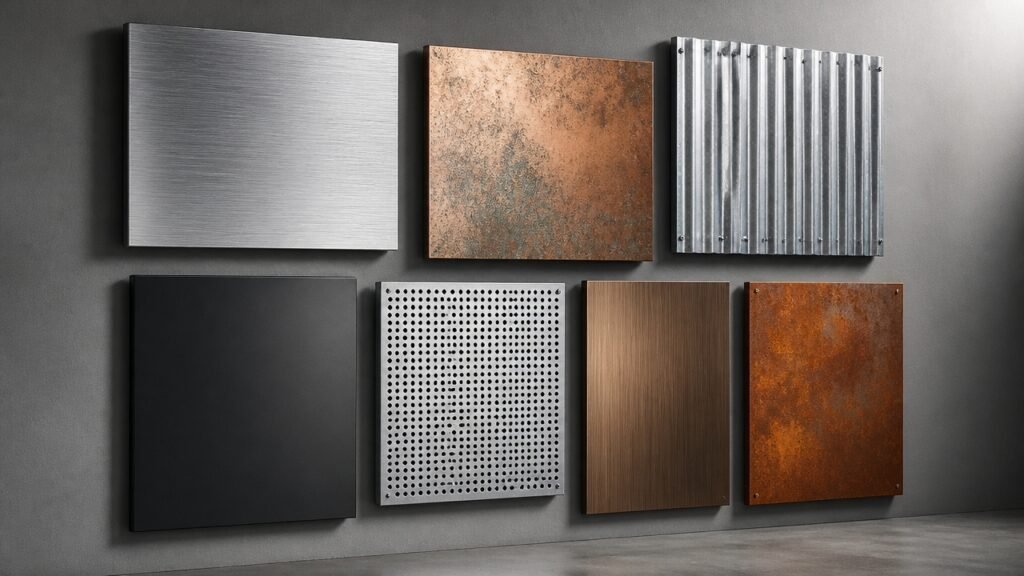
Metal panels have become the quiet workhorse of modern exteriors. They come in enough varieties to match almost any project, from no-nonsense warehouses to spaces that need a little visual warmth.
Steel remains the go-to for strength and budget-friendly coverage. Aluminum keeps things lighter without sacrificing durability. Copper and zinc lean into aging beautifully, developing character over decades.
Insulated options add an efficient layer that helps with energy costs down the road.
The right choice usually comes down to a few practical details. Profile style, finish quality, and total installed cost tend to guide the decision more than anything else.
Steel Wall Panels: Strength and Long-Term Value
Built to Last
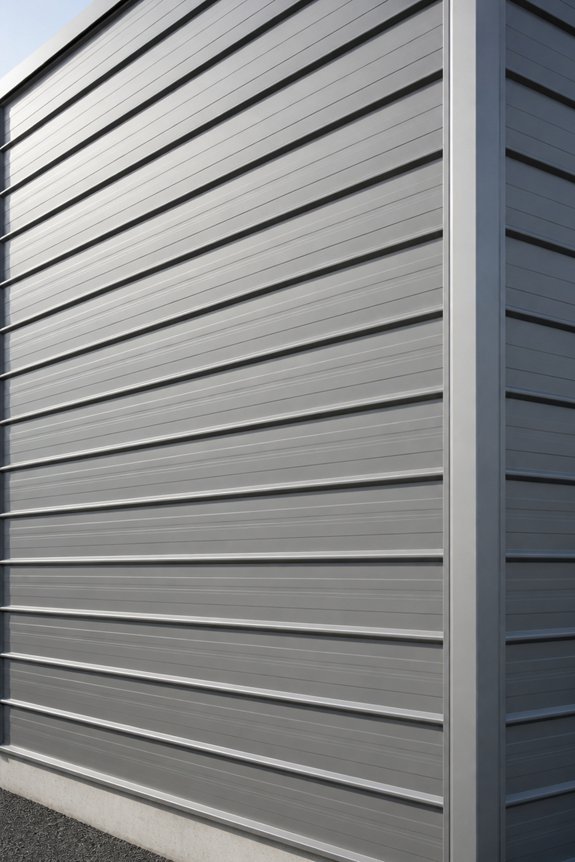
Steel wall panels give commercial buildings lasting strength without breaking the budget. They handle harsh weather with ease. Proper coating keeps corrosion away, and upkeep stays minimal for decades.
Options That Work for You
Galvanized steel fights rust naturally. Painted steel brings color choices to match your vision. Both types work with insulation to cut energy costs. Installation runs cheaper than aluminum or composite alternatives.
Real Savings Over Time
Building owners see fewer repairs across 20 to 30 years. The material’s strength meets the demands of warehouses, retail spaces, and industrial facilities without compromise.
Aluminum Panels: Lightweight Performance and Corrosion Resistance
Many commercial buildings use aluminum wall panels. They weigh less than steel and resist corrosion naturally. No heavy maintenance is needed.
Aluminum forms a protective oxide layer on its own. This makes it perfect for coastal areas, industrial sites, and humid regions. The rust-prone worries of steel simply don’t apply.
The material weighs roughly one-third of steel. This reduces structural demands and cuts installation costs. Builders save time and money from the start.
Finishing options include anodized coatings and painted surfaces. Both provide lasting durability and attractive looks. You can match virtually any design vision.
Aluminum panels need little upkeep. They handle temperature swings well and reflect heat effectively. Energy efficiency comes built in.
You’ll find these panels on warehouses and medical facilities alike. Cleanliness and long service life matter in both settings.
Copper and Zinc: Premium Finishes With Natural Patina
Copper and zinc panels bring distinct character to commercial buildings. Copper develops a natural green patina over time. This weathered look ages gracefully and only grows more distinctive.
Zinc panels keep a silvery-gray finish. They also form a protective patina through oxidation. Both materials offer excellent durability with minimal upkeep.
Copper fits beautifully with heritage architecture. It elevates upscale commercial projects with timeless appeal. Zinc suits contemporary designs with its clean, modern aesthetic.
Both metals resist corrosion in harsh settings. Coastal and industrial environments pose no problem. The initial investment runs higher than standard options. Longevity and reduced maintenance costs balance the equation for long-term projects.
Insulated Metal Panels: Energy Efficiency and Climate Control
A Practical Alternative
Insulated metal panels combine protective barriers with thermal performance. They work well for commercial buildings that need more than just good looks. These panels feature a foam or fiberglass core sandwiched between metal layers. This design reduces heat transfer and lowers energy costs.
Core Options and Performance
Polyurethane and polyiso foam cores offer different insulation levels. R-values range from R-13 to R-21 based on panel thickness. You can choose the right fit for your climate and building needs.
Where They Work Best
Warehouses, cold storage facilities, and manufacturing plants benefit most. Any space where temperature control matters is a good candidate. These buildings need steady conditions without sky-high utility bills.
Faster Installation, Lower Costs
Installation moves quicker than traditional wall systems. Labor expenses drop as a result. Crews spend less time on site, and projects finish sooner.
Built to Last
Panels resist moisture and pests without extra treatments. Maintenance stays simple. Occasional cleaning keeps them looking and performing well.
Long-Term Savings
Building owners see reduced HVAC demands year-round. Lower operational expenses add up over time. The initial investment pays back through energy savings.
Panel Profiles: Corrugated vs. Standing Seam
Panel profiles shape how metal walls look and perform. Corrugated and standing seam designs each bring their own strengths.
How Corrugated Panels Work
Corrugated panels feature wavy, repeating patterns. This design gives them natural strength against impacts and wind. The waves also help water run off quickly. Fewer materials go into making these panels, so costs stay lower. Many farms, warehouses, and factories choose this option. It holds up well without demanding a large budget.
How Standing Seam Panels Work
Standing seam panels connect with vertical ribs that hide the fasteners. This creates clean lines and a smooth surface. Rain and snow have fewer entry points, so leaks become rare. The look fits modern offices, retail stores, and any building where style matters. Upfront costs run higher, but maintenance needs drop over time.
Making Your Choice
Start with your budget and your climate. harsh weather and tight funds point toward corrugated. Prioritize appearance and long-term sealing? Standing seam serves better. Match the profile to what your building actually needs.
Metal Panel Coatings: Corrosion Protection and Finishing Systems
Protective coatings keep metal panels from rusting. They also create the final look. These dual-purpose systems blend function with style.
Common coating types include polyester, PVDF, and polyurethane. Each serves different needs and budgets.
Polyester coatings work well for standard projects. They provide basic protection at a lower cost.
PVDF stands out for long-term performance. It resists UV damage and keeps colors vibrant for years.
Polyurethane excels in tough conditions. It handles chemicals and bends without cracking.
Galvanized steel forms a strong base. Multiple coating layers build on this foundation.
Thickness matters. Measured in mils, it determines how long the coating lasts in harsh settings.
Smart choices lead to decades of reliable protection. Match the coating to your environment and goals.
Metal Panel Costs: Material Pricing and Installation Speed
Most commercial metal wall panels cost $3 to $12 per square foot. Prices vary by material type, coating quality, and panel thickness.
Steel panels generally fall between $4 and $8 per square foot. Aluminum panels run higher, typically $6 to $12 per square foot.
Installation speed depends on your chosen system. Standing seam panels go up faster than traditional fastened panels. This difference often cuts labor costs by 20 to 30 percent.
Prefabricated systems speed up on-site assembly even more. Factory-applied coatings add $1 to $3 per square foot. They also remove the delays of field finishing.
Your total project costs will reflect building size, design complexity, and local labor rates.
Frequently Asked Questions
What Are the Fire Rating Requirements for Commercial Metal Wall Panels?
Fire rating requirements for commercial metal wall panels vary by jurisdiction and building code. Most require Class A ratings (0-25 flame spread), with some areas mandating additional smoke development and fire-resistance ratings per local regulations.
How Do Metal Panels Perform in Extreme Weather Conditions Like Hurricanes?
Metal panels withstand extreme weather through superior wind resistance, typically rated for 150+ mph hurricane-force winds. Their rigid construction, secure fastening systems, and aerodynamic design prevent failure, uplift, and penetration during severe storms and hurricanes.
Can Existing Metal Wall Panels Be Recycled or Repurposed Sustainably?
Metal wall panels present an intriguing sustainability story. Most aluminum and steel variants are fully recyclable, maintaining material integrity through multiple cycles. Repurposing opportunities include architectural retrofits, agricultural structures, and industrial applications, extending useful lifecycles considerably.
What Warranty Coverage Is Standard for Commercial Metal Panel Installations?
Standard commercial metal panel installations typically include 10-20 year warranties covering manufacturing defects, material failure, and workmanship. Coverage often excludes weather damage, improper maintenance, and installation errors. Terms vary greatly by manufacturer and installer.
Which Metal Panel Option Works Best for Soundproofing Commercial Spaces?
Acoustic metal panels with perforated surfaces and internal insulation layers provide superior soundproofing for commercial spaces. These specialized panels effectively absorb and dampen noise while maintaining structural integrity and aesthetic appeal in various industrial environments.
Conclusion
Commercial metal wall panels serve as a reliable foundation for building exteriors, each option addressing specific performance needs. Steel provides strength, aluminum offers lightweight durability, while copper and zinc deliver aesthetic appeal. Insulated panels maximize energy efficiency, and various profiles and coatings enhance protection. Selecting the right panel type depends on budget constraints, climate conditions, and architectural requirements, ensuring long-term functionality and appearance.