
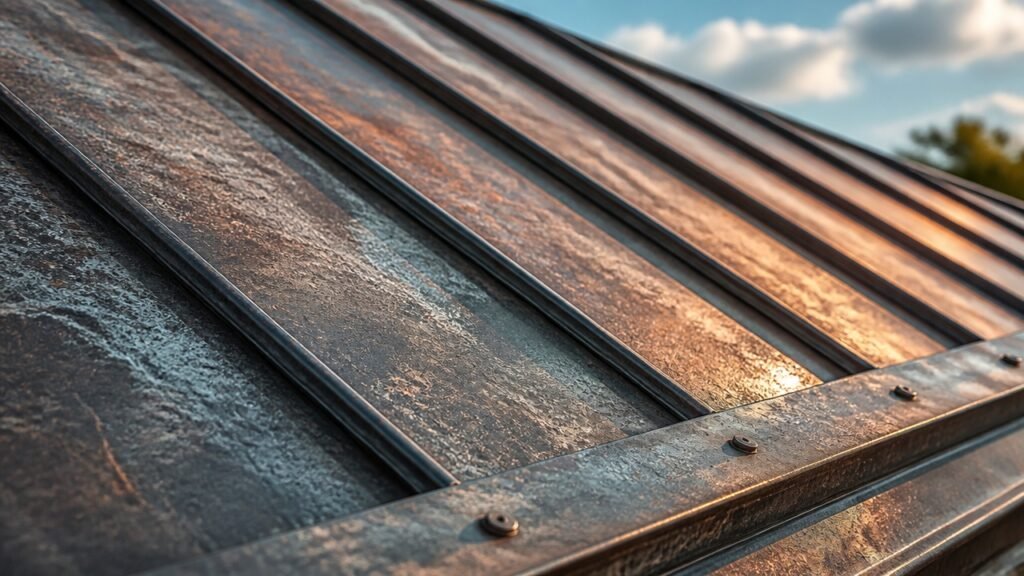
Metal roofs have a way of winning people over once you start comparing numbers. While asphalt shingles often need replacing after 20 years, a well-chosen metal roof can stick around for generations.
The range depends on what you pick. Standing seam steel gives you 40 to 70 years of service. Copper starts at 50 and can keep going past the century mark. Aluminum lands on the shorter side at 30 to 45 years, and zinc matches copper with 80 to 100 years of life ahead of it.
Of course, those numbers assume everything goes right. The actual lifespan comes down to material quality, how well it was installed, your local weather patterns, and whether you keep up with maintenance.
It is worth thinking through these pieces before you commit.
Typical Lifespan of Different Metal Roof Types
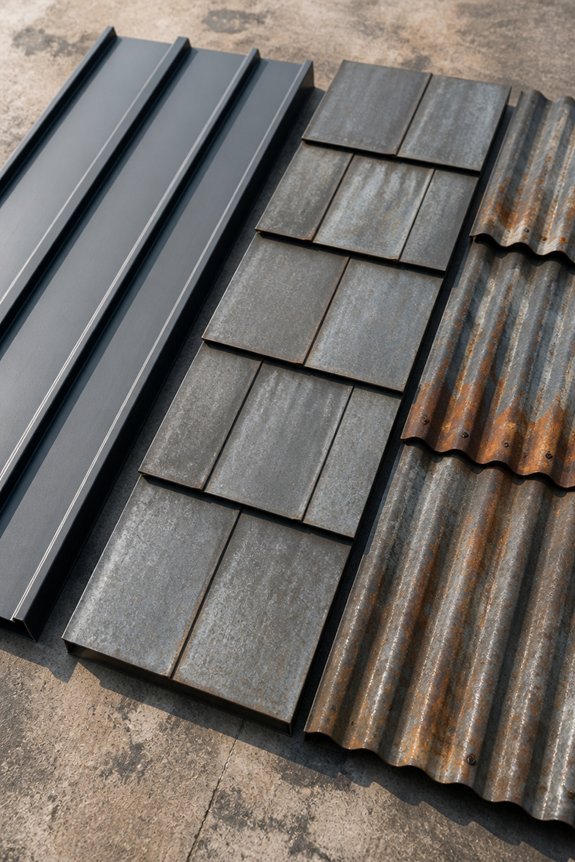
Standing seam steel roofs typically last 40 to 70 years. They provide reliable durability in most climates. Aluminum roofs endure 30 to 45 years. They perform especially well in coastal areas due to salt resistance.
Copper roofing extends 50 to 100 years. It develops a protective patina over time that guards against corrosion. Zinc roofs similarly reach 80 to 100 years. Corrugated metal panels range from 20 to 40 years. Their longevity depends on gauge thickness and coating quality.
Regional weather patterns affect how long any metal roof lasts. Installation quality and regular maintenance also play major roles. These factors influence actual longevity across all metal roof types.
What Material Quality Really Means for Your Metal Roof
Understanding Material Quality
Material quality is what separates roofs that last decades from those needing replacement within years. Higher-grade metal contains thicker gauge steel or aluminum. It resists punctures and dents far better than thinner alternatives.
Premium Coatings Matter
Kynar 500 coatings offer superior UV protection and color retention. Standard polyester finishes simply cannot match this performance. Your roof keeps its appearance longer with better protection against sun damage.
Don’t Overlook the Hardware
Fastener quality plays a huge role in how your roof performs. Stainless steel fasteners resist corrosion better than galvanized options. This becomes especially important in harsh climates with salt air or heavy moisture.
Substrate Thickness Explained
We measure substrate thickness in mils. Thicker substrates directly improve durability and wind resistance. This small detail makes a big difference during severe weather.
The Value of Better Materials
Quality materials cost more upfront. They also reduce maintenance expenses and prevent premature replacement needs. Manufacturer warranties typically reflect these quality levels and indicate expected performance longevity.
How Climate Shapes Metal Roof Longevity
Climate shapes how long a metal roof will last. Where you live matters more than many homeowners realize.
Humidity and Corrosion
Hot, humid regions speed up rust and decay. Coastal areas face extra challenges from salt in the air. Moisture and salt together eat away at protective layers faster than dry conditions ever would.
Freezing Temperatures
Cold climates bring their own problems. Repeated freeze-thaw cycles make metal expand and contract. This movement loosens fasteners and stresses seams over time. Small gaps can turn into leaks if left unchecked.
Dry and Sunny Regions
Arid areas typically see longer roof lifespans. Less moisture means fewer corrosion issues. However, intense UV exposure gradually breaks down coatings. Sun damage happens slowly but steadily.
Snow and Wind Loading
Heavy snow demands stronger structural support during installation. Weak points fail under accumulated weight. High winds require robust fastening systems. Poor attachment risks panels lifting or tearing away entirely.
The Bottom Line
Rainfall patterns, temperature swings, salt exposure, and sun intensity all affect your roof. Understanding your local climate helps you choose the right materials and maintenance schedule from the start.
Installation Quality and Its Impact on Roof Life
Even the best metal roofing materials cannot overcome poor installation practices. The quality of workmanship directly determines how long your roof will perform.
Improper fastening creates weak points. Inadequate sealing lets moisture in. Misaligned panels compromise the entire system. These vulnerabilities add up quickly.
Experienced installers understand the details that matter. They ensure proper overlaps and correct fastener spacing. They also allow for thermal expansion, which prevents future problems.
Substandard installation comes with real consequences. Warranties become void. Deterioration speeds up. What seemed like savings becomes expensive repairs.
Certified contractors offer genuine protection. They know local building codes inside and out. This familiarity prevents costly mistakes before they happen.
Common errors cause premature failures. Poor ventilation installation traps heat and moisture. Incorrect flashing techniques create leaks. Gaps in underlayment leave the roof unprotected.
Skilled professionals safeguard your investment. They maximize roof lifespan through proper technique. The upfront cost pays off for decades to come.
Signs Your Metal Roof Needs Repair or Replacement
Spotting trouble early saves money and stress. Watch for these warning signs during your regular checks.
Rust spots often appear first around seams and fasteners. This signals corrosion that spreads quickly if ignored. Missing or loose panels leave your home exposed to water damage. Granule loss from the coating means the protective surface is wearing thin.
Leaks inside your home during rainfall never mean anything good. They point to gaps or damage in your roof’s defense. Dents and punctures from fallen branches compromise the entire system. Even small holes let moisture seep through over time.
Check the flashing around chimneys and vents closely. Damaged or lifted flashing creates easy paths for water. Storms may reveal loose components through excessive rattling or noise. Discoloration and fading suggest the surface is breaking down.
A quick walk-around twice a year catches most issues early. Look from the ground with binoculars, or call a pro for closer inspection. Addressing small problems now prevents costly replacements later.
Maintenance Practices That Extend Your Metal Roof
Regular maintenance keeps small problems from becoming expensive repairs. It also helps you avoid replacing your roof too soon.
Clear debris from gutters and roof valleys twice each year. Remove moss or algae with the right cleaners. Check fasteners for looseness or corrosion.
Trim overhanging branches to reduce leaf buildup and physical damage. Inspect sealants around vents, flashing, and other penetrations. This stops water from sneaking into weak spots.
Apply protective coatings every five to ten years. This preserves reflective properties and rust resistance. Touch up rust spots quickly with paint to stop spreading.
These simple habits extend your metal roof’s life. They also keep it performing at its best.
Metal Roofs vs. Asphalt Shingles: Which Lasts Longer?
Metal and asphalt shingles differ greatly in lifespan. Metal roofs last 40 to 70 years. Asphalt shingles typically last 15 to 25 years.
Metal roofing handles extreme weather well. It resists rust with proper coating. Fewer replacements are needed over time.
Asphalt shingles cost less at first. They break down faster from sun exposure, temperature swings, and heavy rain.
Metal roofs need little upkeep. Occasional inspections are usually enough.
Asphalt shingles require more attention. Homeowners must remove moss and check for granule loss regularly.
Metal roofing costs more upfront. It proves more durable and cost-effective over time.
How to Protect Your Metal Roof Investment for Decades
Metal roofs outlast asphalt shingles by decades. With simple care, you can protect this investment and enjoy lasting performance.
Keep Up with Basic Maintenance****
Check your fasteners twice yearly. Clear gutters of leaves and debris. Watch for small rust spots and catch them early.
A fresh protective coating every ten to fifteen years stops corrosion in its tracks. This simple step adds years to your roof’s life.
Protect Against Physical Damage****
Trim back tree branches that hang too close. Falling limbs dent panels and scratch protective finishes. Keep your roof clear of unnecessary risks.
Fix Small Problems Fast
Loose panels need quick attention. Sealant gaps should be filled promptly. These minor repairs stop bigger headaches down the road.
Schedule Professional Checkups****
Have an expert inspect your roof every two to three years. Trained eyes spot issues you might miss. Early detection saves money and stress.
Ensure Proper Ventilation****
Good airflow prevents heat buildup. Less thermal stress means less expansion and contraction. Your materials stay stronger, longer.
Frequently Asked Questions
What Is the Average Cost of Installing a Metal Roof Compared to Traditional Roofing?
Metal roofs typically cost 25-65% more upfront than traditional asphalt shingles, ranging from $8-15 per square foot installed versus $3-5 for conventional roofing. However, their longevity often justifies the higher initial investment.
Can a Metal Roof Be Installed Over an Existing Asphalt Shingle Roof?
Metal roofs can indeed be installed directly over existing asphalt shingles, creating a protective shield gleaming in sunlight. This overlay method saves homeowners from costly removal, though structural support must be verified first.
Are Metal Roofs Noisy During Rain or Hail Storms?
Metal roofs can produce noise during rain or hail, though proper insulation and underlayment considerably reduce sound transmission. Modern installations with adequate padding typically minimize noise levels to acceptable ranges for homeowners.
Do Metal Roofs Require Special Permits or Inspections During Installation?
Metal roof installations typically require standard building permits and inspections, though requirements vary by jurisdiction. Before breaking ground, property owners should consult local building departments to understand specific codes and approval processes needed.
What Warranty Coverage Typically Comes With a New Metal Roof Installation?
Metal roof warranties typically span 20 to 50 years, covering defects in materials and workmanship. Most manufacturers offer paint finishes warranted for 30 years. Homeowners should verify specific coverage details with their installer before installation begins.
Conclusion
Metal roofs offer substantial long-term value through their extended lifespans, with zinc and copper options reaching 80 to 100 years. Homeowners who prioritize quality materials, proper installation, and regular maintenance maximize their investment. Significantly, metal roofs outlast asphalt shingles by 30 to 50 years, making them a practical choice for those planning decades-long roof protection without frequent replacement cycles.