
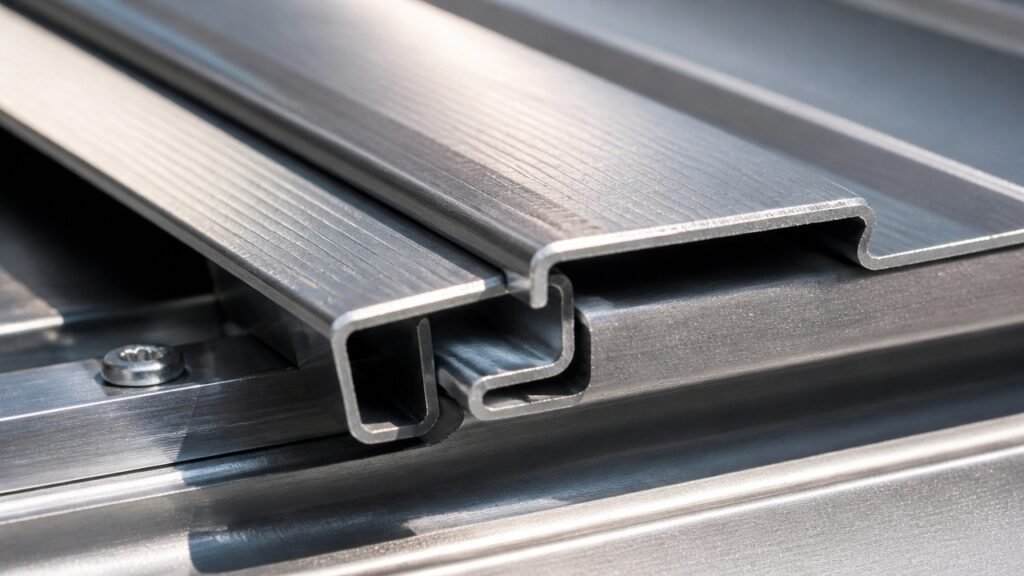
Metal siding panels are the quiet workhorses of modern home exteriors. They wrap buildings in a sleek, protective layer that stands up to decades of weather without demanding much attention.
The magic lies in how the pieces fit together. Each panel tucks beneath the one above it, forming gentle overlaps that guide rainwater straight down and away from your walls. Small channels built into the metal add extra insurance against moisture.
This clever design does two jobs at once. It keeps water out while giving the panels just enough room to breathe and expand with temperature swings. No warping, no cracking, just steady performance year after year.
Once you see how these simple elements work in harmony, it makes sense why so many homeowners choose metal siding for the long haul.
How Metal Siding Panels Interlock
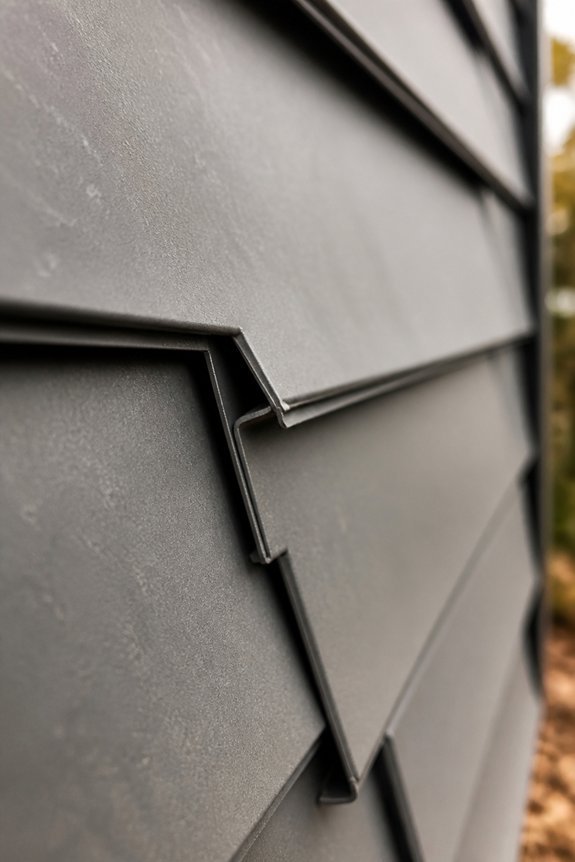
Metal siding panels connect through a simple overlapping system. Each panel’s upper edge slides beneath the lower edge of the one above it. This creates a water-resistant seal that directs moisture downward.
The panels include channels and grooves that guide water away from the wall. This design prevents leaks into cavities behind the siding. Steel and aluminum installations typically use J-channel trim at edges and corners. This trim keeps the interlocking pattern intact while giving a clean, finished look.
The overlapping method allows panels to expand and contract with temperature changes. The seal stays intact through hot summers and cold winters. Installers leave proper spacing between panels to handle this seasonal movement. The result is lasting protection for your building’s exterior.
Metal Siding Coatings: Your Defense Against Rust and Weather
Protective coatings act as your first line of defense against rust, corrosion, and weather damage. They work alongside the interlocking design that keeps water from slipping behind the panels.
You have three common options to choose from. Polyester offers basic protection without breaking the bank. Polyvinylidene fluoride stands up to harsh UV rays and resists fading over time. Polyurethane gives you top-tier weather resistance and handles impacts better than the rest.
These coatings stop metal from oxidizing, keep your colors looking fresh, and help your panels last much longer. Picking the right one comes down to your local climate, where you live, and what environmental challenges your building faces.
Types of Metal Siding: Steel, Aluminum, and Copper
Three materials lead the metal siding market. Each brings its own strengths to your project.
Steel
Steel stands up to impacts and harsh weather. It handles whatever nature throws at it. Without protective coatings, rust becomes a problem. Paint systems or galvanizing treatments solve this issue. Many homeowners choose steel for its solid, dependable nature.
Aluminum
Aluminum weighs less than steel. Your structure needs less support during installation. It fights corrosion on its own. Coastal homes benefit from this natural resistance. Salt air won’t eat away at aluminum siding.
Copper
Copper outlasts the other options. It keeps working for fifty years or more. Maintenance stays minimal throughout its life. A protective patina forms over time. This greenish layer prevents rust completely. Copper costs more upfront. The investment pays off through decades of service.
Making Your Choice
Climate matters when selecting siding. Budget plays a role too. Performance needs vary by home and location. Match the material to your specific situation. The right choice protects your home for years to come.
Cost Comparison: Why Material Choice Matters
Cost Comparison: Why Material Choice Matters
Most homeowners work within a budget. That’s why knowing the price differences between steel, aluminum, and copper matters so much.
Steel costs the least at first. You can expect to pay $3 to $8 per square foot. This makes it a realistic choice for many families.
Aluminum runs higher, averaging $5 to $12 per square foot. The trade-off is simpler maintenance down the road.
Copper sits at the top. Prices start at $15 per square foot and keep climbing. Rarity and tricky installation drive those numbers up.
Think beyond the first bill. Steel needs repainting often. Aluminum and copper mostly take care of themselves. Over twenty or thirty years, that gap in upkeep costs adds up fast.
The Metal Siding Panel Installation Process
Getting Started
A homeowner first chooses their metal material. Then the real work begins. Workers inspect the existing structure and remove old siding if needed. They add underlayment to protect against moisture.
Building the Base
Furring strips or starter trim go up next. This creates a level surface for the panels. Everything needs to be straight and secure before the metal goes on.
Panel Installation
Workers measure and cut each sheet to fit. They fasten panels according to manufacturer spacing guidelines. Each panel overlaps the next slightly. This keeps water from seeping in.
Timeline and Setup
Multi-story homes need scaffolding for safety. Most residential projects wrap up in one to three weeks. House size and weather will affect the schedule.
Metal Siding Maintenance: 40+ Years of Durability
Simple Care Goes a Long Way
Regular upkeep keeps metal siding strong for decades. Inspect panels once a year for rust, dents, or loose fasteners. Fix small problems quickly before they grow.
Clean siding with mild soap and water. This removes dirt and stops corrosion from taking hold. Trim back nearby plants too. Vegetation traps moisture against panels.
Extending Your Siding’s Life
With proper care, metal siding lasts 40 to 60 years. Apply a fresh protective coating every 10 years. This adds years of reliable performance.
Check seals around windows and doors regularly. Good seals block water from sneaking in. Replace damaged sections promptly. This stops rust from spreading to underlying structures.
Schedule a professional inspection every five years. Experts spot hidden issues early. Catching problems now saves bigger headaches later.
Frequently Asked Questions
Can Metal Siding Panels Be Painted or Refinished After Installation?
Yes, metal siding panels can be painted or refinished after installation. Property owners should clean the surface thoroughly, apply primer, and use high-quality exterior paint designed for metal to guarantee proper adhesion and durability.
What Soundproofing Qualities Do Metal Siding Panels Provide Compared to Other Materials?
As the saying goes, “still waters run deep.” Metal siding panels offer modest soundproofing compared to fiber cement or vinyl options. Their hollow construction transmits noise more readily, making them less effective for acoustic insulation than denser materials.
Are Metal Siding Panels Recyclable or Environmentally Friendly?
Metal siding panels are highly recyclable, as aluminum and steel components can be repeatedly processed without degradation. Their durability extends building lifespans, reducing replacement waste. However, production energy consumption and coating chemicals present environmental considerations requiring responsible manufacturing practices.
How Do Metal Siding Panels Perform in Extreme Weather Conditions Like Hurricanes?
Metal siding panels demonstrate exceptional hurricane resistance due to their structural strength and rigidity. They withstand high winds, resist impact damage, and maintain integrity during severe storms better than traditional materials, making them a reliable choice for hurricane-prone regions.
Can Metal Siding Panels Be Installed Over Existing Siding Without Removal?
Metal siding panels can be installed over existing siding in many cases, provided the substrate is structurally sound and properly prepared. However, removal is often recommended for best results and longevity.
Conclusion
Metal siding panels offer reliable protection through interlocking design, protective coatings, and proper spacing. Steel, aluminum, and copper each present distinct advantages regarding cost and durability. Installation requires precision, while maintenance demands occasional cleaning and inspection. Can any exterior material truly match metal siding’s 40-year lifespan and minimal upkeep requirements? Homeowners gain a long-term investment that resists weather, rust, and structural damage effectively.