
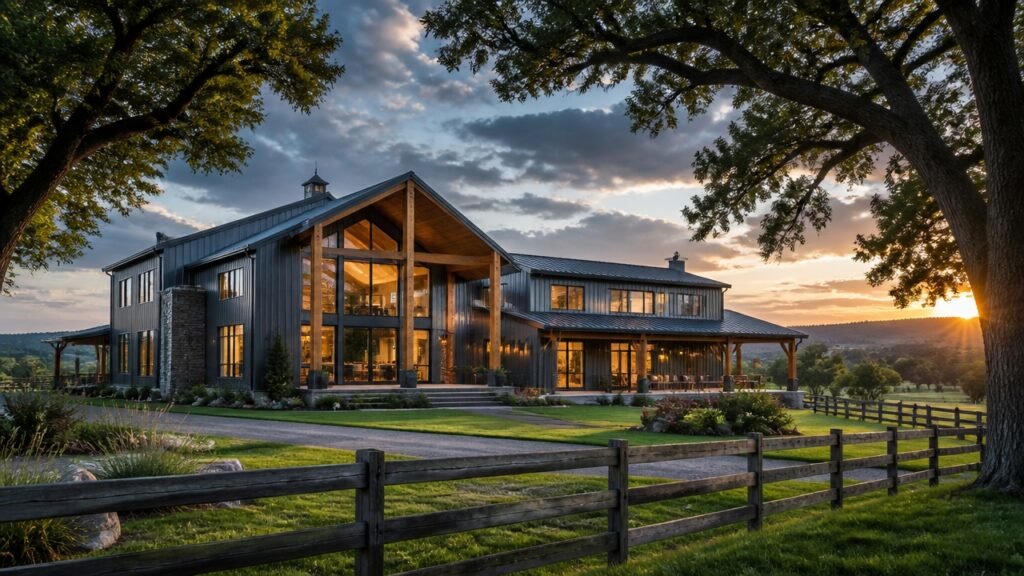
Pole barn homes have a way of surprising people. What starts as a practical building style often ends up as someone’s dream space.
The numbers are hard to ignore. You can build one for roughly 30 to 40 percent less per square foot than conventional construction. Most projects wrap up in three to six months, which feels almost unbelievable if you’ve ever watched a traditional home crawl toward completion.
Rural areas tend to welcome these structures with open arms. Zoning is simpler, land requirements are forgiving, and you get room to breathe. That openness is part of the appeal for buyers craving something quieter and more spacious.
Still, this path isn’t without its hurdles. Financing can take extra legwork, insurance needs a bit of research, and upkeep looks different than it does with standard builds. None of these are dealbreakers, just details worth knowing before you commit.
Rural Property and Zoning Advantages
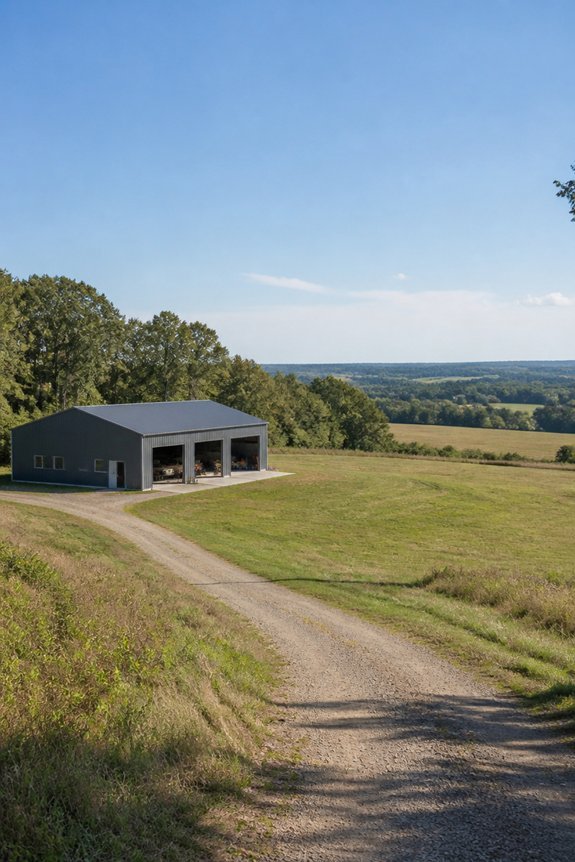
Pole barn homes fit naturally into rural zoning codes. Many counties already allow agricultural structures on farmland. This makes conversions simpler than starting from scratch.
Rural areas often classify land for mixed agricultural and residential use. Property owners can work with existing designations. Fewer permits are typically needed compared to conventional builds.
Larger lot sizes in agricultural zones offer design flexibility. Land costs stay lower in these areas. That combination reduces overall development expenses.
These practical advantages make pole barn conversions an affordable path for rural homeowners. Working with existing zoning rather than against it saves both time and money.
The Economics of Pole Barn Construction vs. Traditional Homes
Pole barn homes cost less to build than traditional houses. You can expect to save 30-40% per square foot. Metal siding and open framing keep material costs down. Fewer skilled workers are needed on site. Foundation work is minimal too. Most pole barns need only basic concrete footings.
Resale value can be tricky. Some buyers hesitate at unconventional construction. Insurance may cost more as well. Carriers often charge extra for non-standard materials and methods. Check local market conditions before you commit.
How to Get Financing for a Pole Barn Home
Why Lenders See Pole Barn Homes Differently
Pole barn residences don’t fit the standard mortgage box. Most lenders want 20-30% down. That’s noticeably higher than traditional home loans.
Appraisals trip up many banks. Pole barns lack conventional framing and materials. This makes comparable sales hard to find. Some lenders simply decline these applications outright.
Where to Shop for Financing
Agricultural lenders often lead the pack. They already understand post-frame construction. Credit unions can be surprisingly flexible too. Ask about their construction loan programs.
Construction-to-permanent loans streamline the process. You borrow during building, then convert to a regular mortgage. One closing saves time and fees.
Portfolio lenders keep loans in-house. They set their own rules rather than following rigid secondary market guidelines. This opens doors that big banks close.
Strengthening Your Application
Solid documentation makes a real difference. Gather your blueprints and structural engineering reports. Include your builder’s licenses and past project details. Proof of durability matters to risk-averse lenders.
Rural buyers should explore USDA options. These government-backed loans favor qualifying countryside properties. Check location eligibility early in your search.
Smart Borrowing Strategy
Contact at least five lenders. Compare terms, fees, and requirements side by side. Each institution weighs pole barn risk differently. Your persistence often determines your approval.
Faster Build Times Mean Faster Move-In Dates
Pole barn construction moves quickly from start to finish. You need fewer foundation components, so excavation and concrete work shrink considerably. The post-and-beam design simplifies framing. Assembly happens faster than with traditional stick-frame methods.
Roof installation speeds up with larger panel systems. Inside, the open floor plan lets crews work in multiple areas at once. Interior finishing starts sooner because of this flexibility.
Traditional homes often take six to twelve months. Pole barns typically wrap up in three to six months. That shorter timeline puts you in your new home faster. You spend less on temporary housing and avoid lengthy construction delays.
Why Pole Barns Make Perfect Open-Concept Homes
Pole barns come together quickly. Their flexible structure makes open-concept living simple.
Traditional homes need many interior walls for support. Pole barns use a post-and-beam framework instead. This means fewer load-bearing walls inside. You get large, open spaces without obstacles.
Living areas flow together naturally. Kitchens and dining zones blend without barriers. Floor plans stretch 40 by 60 feet or even larger.
Families change over time. Pole barn interiors adapt right along with them. A space becomes a home office, then a playroom, then something new.
Wide layouts welcome natural light. Air moves freely from room to room. The whole home feels brighter and more open.
For families who value space and flexibility, pole barns deliver.
Design Your Space Without Contractor Pushback
Many homeowners find that pole barn construction offers design freedom. Traditional builders often resist unconventional ideas. They push back against open floor plans or unusual layouts. Standard practices limit their flexibility.
Pole barn homes work differently. The post-frame structure supports wide interiors. You don’t need load-bearing walls. This means you can place bedrooms, bathrooms, and living areas exactly where you want them.
Your vision isn’t blocked by structural limitations. Ceiling heights can soar. Mezzanines and lofts install easily. The simplified framing adapts to your specifications. You get your exact design without fighting professional resistance.
Pole Barns Cost Less to Maintain Over Time
Pole barn homes cost less to maintain than conventional houses. The open floor plan means fewer interior walls to repair. You avoid common expenses for drywall, insulation, and structural fixes.
These buildings sit on posts rather than concrete slabs. This design leads to fewer foundation problems over time. Roofing materials on pole barns also tend to last longer before needing replacement.
The simple, sturdy construction helps prevent hidden issues from developing. Homeowners spend less on seasonal upkeep, pest control, and major repairs. All of these factors add up to real savings throughout your years of ownership.
Getting Insurance: What Coverage Actually Exists
Pole barn homes cost less to maintain. Repairs are simpler too. But you still need solid insurance for your investment.
Standard homeowners policies often skip pole barn structures. You’ll likely need specialized coverage instead.
Insurance companies sort these homes into different categories. They look at your construction materials, foundation type, and interior finishing. Each detail affects how they classify your property.
Talk directly with insurers about your specific situation. Ask about pole barn eligibility, coverage limits, and deductibles.
Some providers build custom policies for you. These typically cover structural damage, liability, and personal property.
Get quotes from several companies. This helps you find affordable protection that actually fits your needs. Good coverage shields your investment from sudden losses.
Frequently Asked Questions
Can Pole Barn Homes Withstand Extreme Weather Conditions Like Hurricanes and Tornadoes?
Pole barn homes can withstand moderate storms but require specialized engineering for extreme weather. Proper foundation systems, reinforced framing, and high-wind design modifications enhance durability against hurricanes and tornadoes considerably.
What Are the Resale Value and Market Perception of Pole Barn Homes?
Pole barn homes typically appreciate slower than traditional houses, though market perception varies by region. Some buyers view them as affordable, innovative alternatives, while others remain skeptical due to limited comparable sales and financing challenges.
Are Pole Barn Homes Suitable for Families With Children and Pets?
Pole barns provide practical, spacious sanctuaries suitable for families with children and pets. Their open floor plans permit personalized partitioning, while expansive grounds grant room for recreation and roaming. Durable designs demonstrate durability despite demanding domestic dynamics.
How Do Pole Barn Homes Perform in Terms of Energy Efficiency and Insulation?
Pole barn homes perform adequately in energy efficiency when properly insulated. Modern designs incorporate spray foam, fiberglass, or rigid insulation between post-frame structures. Their open floor plans enable efficient heating and cooling distribution, though air sealing requires attention.
What Are the Common Misconceptions People Have About Living in Pole Barns?
Common misconceptions include beliefs that pole barns are flimsy, lack durability, provide minimal living space, or cannot match traditional home aesthetics. Many assume they offer poor insulation and resale value, though modern construction techniques effectively address these concerns.
Conclusion
Residential pole barn homes have become a golden ticket for homebuyers seeking affordable, flexible housing. Their lower costs, quick construction timelines, and design freedom address modern living demands effectively. With reduced maintenance expenses, straightforward financing options, and alignment with rural zoning regulations, these structures offer practical advantages over traditional homes. As housing costs continue rising, pole barn homes represent a sustainable solution for those prioritizing value and customization.