
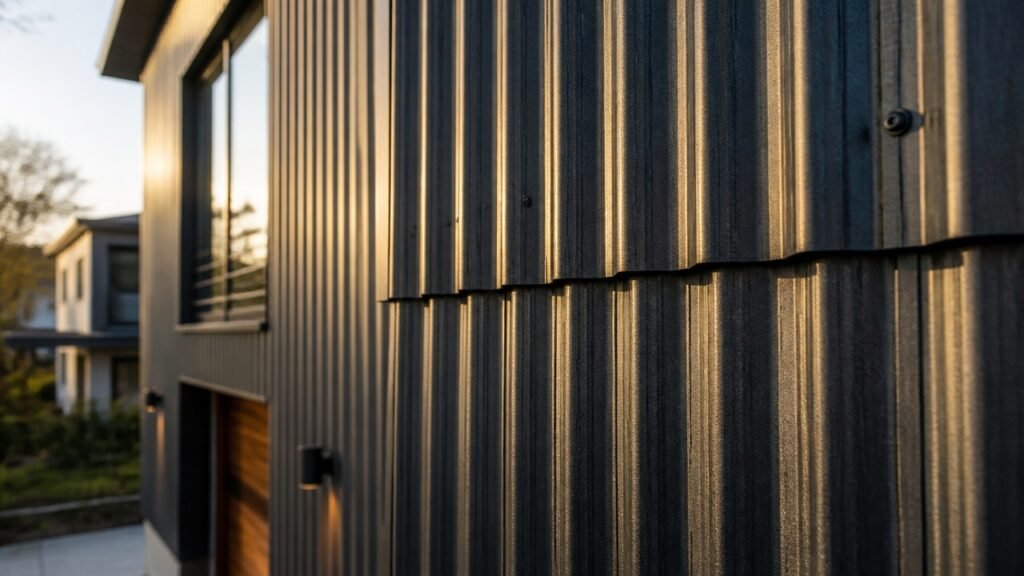
Vertical metal siding is having a moment. That clean, contemporary look you’re seeing on renovated farmhouses and modern builds alike? It’s worth a closer look.
Steel and aluminum panels last 40 to 60 years with minimal upkeep. They reflect heat, handle weather beautifully, and free up your weekends from repainting projects.
Of course, every material comes with its own set of considerations. Installation quality matters enormously. Local codes may shape your options.
And upfront costs need weighing against long-term value. The following ten points will help you decide if vertical metal cladding fits your home and your life.
What You’re Really Getting With Vertical Metal Siding
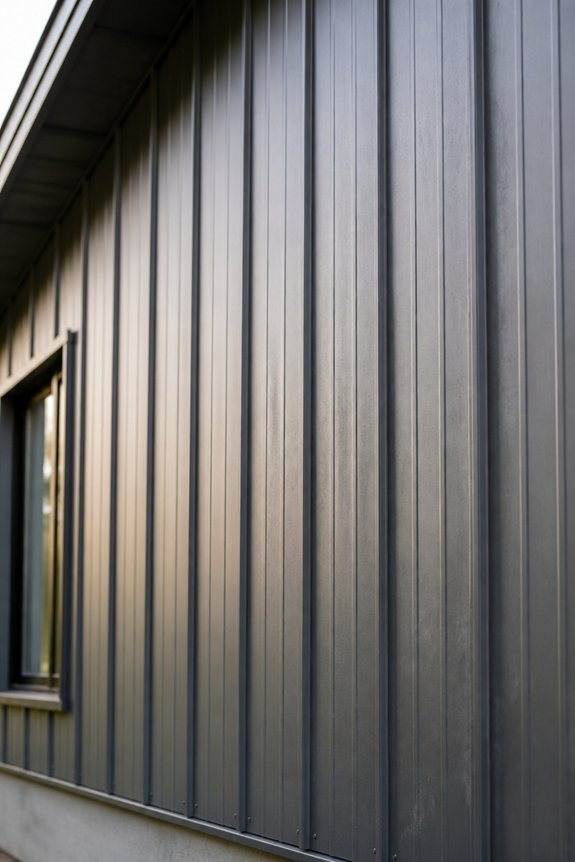
Vertical metal siding gives homeowners a tough exterior choice. Steel or aluminum panels install straight up and down. They stand up to weather without much fuss. Most last 20 to 40 years depending on what you pick.
Steel gives you extra strength. It needs proper coatings to prevent rust. Aluminum fights corrosion on its own. It also weighs less, which makes handling easier.
Both materials bounce heat away from your home. This can shrink your cooling bills during hot months. The vertical layout channels water downward. Moisture doesn’t linger or pool on the surface.
You can find metal siding in plenty of colors and finishes. If you ever need to repaint, hire a professional for best results. Upfront costs run higher than vinyl. Many homeowners find the durability worth the investment.
Who Should Choose Metal Siding? (And Who Shouldn’t?)
Metal siding costs more upfront than other materials. Homeowners need to think about their budget and future plans before making this choice.
This option works best for people staying put for ten years or more. The durability and minimal upkeep make the initial price worthwhile over time.
Commercial buildings benefit from metal siding. Modern homes and properties in extreme weather also pair well with this material.
Some situations call for a different approach. Tight budgets, upcoming moves, or a love of classic styles point toward alternatives. Check local rules if your neighborhood has strict design codes.
How Long Does It Last? Durability and Weather Resistance
Metal siding typically lasts 40 to 60 years. This makes it one of the longest-lasting options available.
Its durability comes from metal’s natural resistance to rot, pests, and decay. Steel and aluminum resist rust when properly coated. However, galvanized or painted finishes need occasional upkeep.
Metal siding handles high winds, heavy rain, and temperature swings well. Still, it can dent from hail or strong impacts during severe storms.
Regular inspections and quick touch-ups to protective coatings add years to its life. Homeowners near the coast should pick corrosion-resistant alloys. Salt exposure speeds up deterioration otherwise.
Will It Reduce Your Energy Bills?
Metal siding offers modest energy savings through better insulation and reflective properties. It cuts heat transfer through walls when installed with proper backing. This reduces how hard your HVAC system must work.
The reflective surface bounces back solar radiation. This feature helps most in hot climates. Homeowners typically see 5 to 10 percent savings on energy bills. Results vary based on climate, current insulation, and home size.
Metal siding works best as part of a bigger strategy. It cannot replace quality insulation or air sealing on its own. Pair it with weatherstripping, caulking, and good attic insulation. Together, these steps create meaningful energy efficiency gains.
Design Options: Colors, Finishes, and Architectural Styles
Vertical metal siding offers plenty of choices for every home. You can select classic shades like charcoal, bronze, or silver. Bold colors like red, blue, and green work great for standout exteriors.
—
Finishes That Fit Your Style
Finish options range from subtle matte to eye-catching glossy. Each finish changes how sunlight plays across your home’s surface. This gives you control over the final look and feel.
—
Matching Your Home’s Architecture
These panels suit modern farmhouse, industrial, contemporary, and traditional designs. They pair beautifully with brick, stone, or wood trim. Manufacturers also provide custom options to match your existing features and neighborhood character.
Why Professional Installation Is Non-Negotiable
Most homeowners underestimate how tricky vertical metal siding can be. Professional installers know the details that matter. They understand flashing, fastener spacing, and how metal expands with temperature changes.
These experts prevent water damage and structural problems before they start. They also know local building codes inside and out. Permits get handled properly. Ventilation behind panels gets done right.
Installation mistakes cost far more than hiring help. Incorrect overlaps trap moisture. Poor drainage leads to rust. Warranties become worthless when DIY goes wrong.
Professionals work quickly and protect your home from weather exposure. They carry insurance and stand behind their work with guarantees. Your investment stays safe, and your siding performs well for decades.
Keeping It Looking Good: Maintenance Reality Check
Metal siding needs regular care to stay looking good and working well. Check your panels each season for dents, scratches, or rust. Fix small problems quickly before they grow.
Wash your siding twice a year with mild soap and water. This removes dirt, debris, and salt that cause corrosion over time. Clear your gutters regularly too. Backed-up water damages seams and fasteners.
Repaint or reseal your siding every five to seven years. This simple step adds years to its life. Tighten loose fasteners when you spot them. Weather and temperature shifts loosen them naturally.
Stay on top of these tasks. You’ll avoid expensive repairs and keep your home’s structure sound.
Metal Siding vs. Vinyl, Wood, and Fiber Cement: Complete Cost Breakdown
When choosing siding for your home, three factors matter most. Cost, durability, and maintenance shape the final decision.
Metal Siding Basics
Metal siding ranges from $8 to $15 per square foot installed. This places it squarely between budget vinyl and premium fiber cement options.
Vinyl: Affordable But Temporary****
Vinyl siding costs $6 to $12 per square foot. It looks good at first. Most homeowners replace it after just 20 to 30 years.
Wood: Beautiful but Demanding****
Natural wood runs $10 to $18 per square foot. It needs regular painting. Repairs are frequent and costly.
Fiber Cement: The Middle Ground****
Fiber cement averages $10 to $16 per square foot. Maintenance needs sit somewhere between wood and metal.
Why Metal Wins Long-Term
Metal siding lasts 40 to 60 years with minimal upkeep. Higher upfront costs fade quickly. Extended lifespan and reduced maintenance create real savings over decades.
Installation Mistakes That Void Warranties and Cause Leaks
Poor installation practices hurt your metal siding. They can void warranties and cause expensive water damage. Avoid these common errors to protect your investment.
Fastener Spacing and Tightness
Improper fastener spacing lets panels shift. This creates gaps where water seeps in. Drive fasteners too tightly, and you restrict natural panel movement. That leads to buckling and stress fractures over time.
Underlayment and Overlap
Inadequate underlayment fails as a moisture barrier. Water penetrates behind panels and rots your walls. Incorrect overlap measurements also cause trouble. They prevent water from shedding properly off the siding.
Flashing and Alignment****
Improper flashing around windows, doors, and trim invites water intrusion. Misaligned panels break the weather barrier entirely. Both issues let moisture where it doesn’t belong.
Protecting Your Warranty
Have a professional verify installation before you pay. This ensures compliance with manufacturer specs. It also keeps your warranty intact if problems arise later.
Is Metal Siding the Right Choice for Your Home?
Is Metal Siding the Right Choice for Your Home?
Start with Your Location****
Your local climate tells you a lot. Metal siding stands up to strong winds, heavy rain, and salt air. Coastal homes and storm-prone areas benefit most. Check your weather patterns first.
Count the Costs
Metal costs more upfront than vinyl. The trade-off comes later. You will spend less on repairs and maintenance over the years. Think long-term when comparing prices.
Match Your Style
Not every home looks right with metal. Vertical panels suit modern and industrial designs well. Traditional colonials usually need different materials. Your home’s architecture should guide this choice.
Check the Rules
Local building codes may limit your options. HOAs often have their own restrictions too. Review these before you buy. A professional can assess your structure and confirm what works best.
Frequently Asked Questions
Can Vertical Metal Siding Be Installed Over Existing Siding Without Removal?
Vertical metal siding can be installed over existing siding in many cases. Homeowners should verify the underlying surface is structurally sound and properly prepared. Professional assessment is recommended to determine if removal is necessary for ideal results.
What Is the Typical Cost per Square Foot for Vertical Metal Siding Installation?
Vertical metal siding installation typically costs between $3 to $10 per square foot, depending on material quality, regional labor rates, and project complexity. Premium options and professional installation can push costs higher.
Does Metal Siding Conduct Electricity or Pose Lightning Strike Risks?
Curiously, metal siding does conduct electricity, yet modern installation codes require proper grounding systems that actually reduce lightning strike risks below non-metal alternatives by safely directing electrical current harmlessly into the ground.
How Does Metal Siding Perform in Coastal Areas With Salt Spray Exposure?
Metal siding in coastal areas requires protective coatings to resist salt spray corrosion. Uncoated steel degrades rapidly, while aluminum and coated steel perform better. Regular maintenance prevents rust and extends the material’s lifespan considerably.
Can Vertical Metal Siding Be Painted or Refinished After Installation?
Yes, vertical metal siding can be painted or refinished after installation. Proper surface preparation, including cleaning and priming, is essential for paint adhesion. Quality exterior paint guarantees durability and extends the siding’s lifespan while rejuvenating its appearance.
Conclusion
Vertical metal siding presents a practical long-term investment for homeowners prioritizing durability and low maintenance. Steel and aluminum options withstand harsh weather, potentially lasting 40 to 60 years with minimal upkeep. Initial costs remain high, yet energy savings and reduced maintenance expenses offset this burden over time. Success depends on proper installation, local compliance, and realistic expectations. Homeowners must weigh their budget, climate, and aesthetic preferences carefully before committing.