
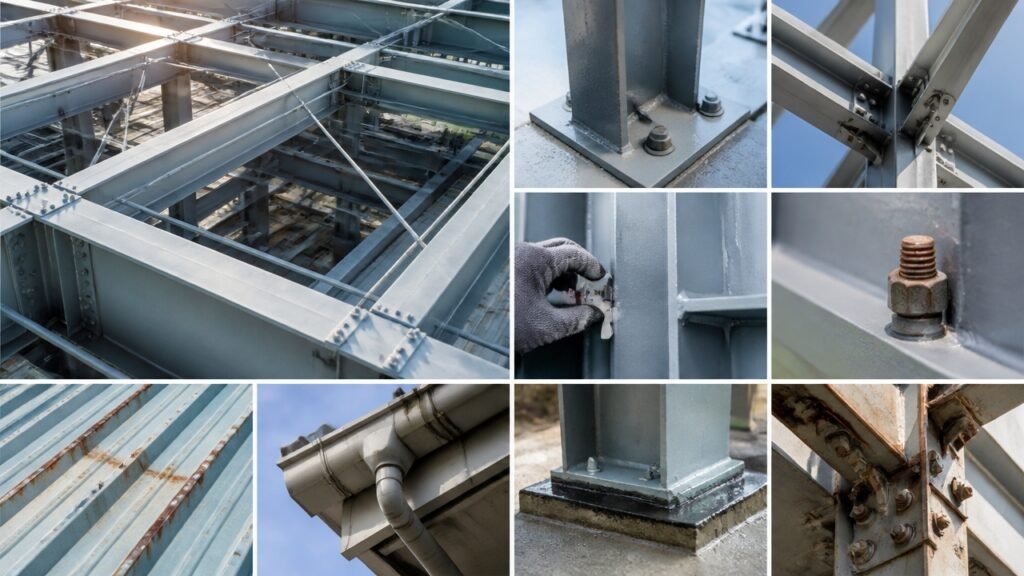
Steel buildings are wonderfully durable, but they still need a little love to stay in top shape. A quick walkaround each month, checking fasteners every few months, and a thorough once-over yearly can make all the difference.
Rust spots, clogged drains, and worn weatherproofing are the usual suspects when problems start. Catching them early keeps small fixes from turning into big headaches.
The good news? A simple, steady routine is all it takes.
Your building will stay safer, last longer, and save you money down the road.
Start With Fasteners: The Foundation of Structural Integrity
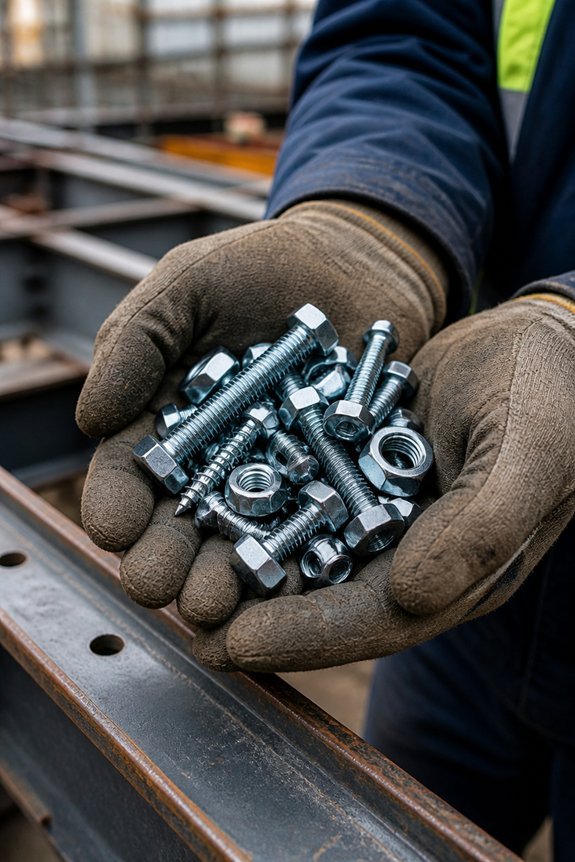
Fasteners form the critical backbone of steel building structures. They hold together beams, columns, and connections that support the entire facility.
Regular inspection prevents structural failure, rust, and safety hazards. Check bolts, rivets, and welds every three months. Look for looseness, corrosion, and any visible damage.
Vibration from equipment or wind gradually works fasteners loose over time. Tightening connections restores stability and extends building lifespan.
Environmental exposure accelerates wear. Coastal and industrial areas need extra attention.
Keep maintenance records that track fastener conditions and repair dates. Fix problems quickly to avoid costly emergency repairs and collapse risks.
Roof Inspection and Cleaning: Your First Line of Defense
Why Your Roof Comes First
Water is the enemy of steel. It rusts metal, weakens structure, and drains your budget. Regular inspections catch leaks, puddles, and debris early. Check seams, fasteners, and flashing for wear. Remove leaves and dirt that hold moisture. Clear gutters and downspouts so water flows away. Standing water speeds up corrosion everywhere it touches.
Seal and Protect
Sealant around vents, edges, and penetrations cracks over time. Reseal these spots right away. Roof coatings block UV rays and harsh weather. Set up inspections twice a year. This simple habit prevents major damage and keeps your building strong for years.
Seal Weatherproofing Around Doors, Windows, and Joints
Roof maintenance stops water from above. Sealing gaps around doors, windows, and joints blocks it from the sides.
Inspect weatherstripping, caulk, and sealants regularly. Look for cracks, deterioration, or separation. Problem areas include door frames, window perimeters, wall panel seams, and expansion joints.
Damaged sealants let moisture inside. This leads to rust, corrosion, and interior damage. Replace worn weatherstripping with compatible materials. Reapply caulk to gaps. Check that drainage channels work properly.
Seasonal inspections catch issues early. This prevents water from causing serious structural problems or expensive repairs.
Clear Your Drainage Systems Regularly
Gutters, downspouts, and drainage channels need regular clearing to work properly. Leaves, dirt, and other debris pile up fast. This buildup blocks water flow and creates pooling.
Standing water damages steel surfaces. It also causes rust and weakens structural integrity. Check your drainage systems quarterly, or more often if your area has lots of vegetation.
Removing blockages prevents costly water damage. It also extends your building’s lifespan. Clogged systems push water toward foundations, walls, and roofing materials.
Keep up with regular maintenance. Check your gutters, test your downspout flow, and clear any channel obstructions. Proper drainage protects your steel framework from moisture damage and corrosion.
Spot Rust Early: Why Paint Condition Matters
Paint protects steel from moisture and oxygen. These elements start rust formation. Building owners should inspect painted surfaces every three months.
Look for chalking, peeling, bubbling, or discoloration. These signs mean protection is failing. Orange or brown patches need fast action. Early detection stops major corrosion damage.
How to Fix Problem Areas
Start by finding affected spots. Remove loose paint carefully. Apply primer to any exposed steel. Finish with a fresh coat of paint. This simple process keeps structures sound.
Why Environment Matters
Coastal and humid regions speed up paint breakdown. Salt air and moisture wear down protective layers faster. Regular checks matter more in these locations.
When to Call a Professional****
Sometimes spot repairs work perfectly. Other times, full repainting makes more sense. An expert can evaluate the overall condition. They’ll recommend the most cost-effective approach.
The Bottom Line
Quick touch-ups and steady attention add years to any building. Small efforts now prevent expensive problems later.
Check Expansion Joints and Moving Components
Steel buildings have many moving parts. Gaps exist between sections, including expansion joints, roof panels, wall seams, and foundation connections. These parts shift with temperature changes, wind pressure, and ground settling.
Inspect expansion joints for gaps, misalignment, or debris buildup. Check roof panels for proper fastener tension and panel separation. Look at wall seams for signs of water infiltration, such as staining or corrosion. Foundation connections need inspection for cracks, movement, or deterioration.
Regular monitoring prevents water damage, structural stress, and costly repairs. Document all changes to track building movement patterns and maintenance needs over time.
Lubricate Hardware to Prevent Seizure
Moving parts in steel buildings need regular lubrication. This keeps them working smoothly and prevents rust damage.
Bolts, hinges, door tracks, and expansion joints all benefit from periodic care. Light machine oil, grease, or specialized metal lubricants work well for these components.
Seized hardware becomes hard or impossible to operate. This can compromise both safety and functionality.
Set up a lubrication schedule based on your climate and building usage. This prevents corrosion and maintains smooth operation.
Inspect moving parts quarterly. Apply lubricant wherever you notice friction.
Proper maintenance extends hardware life. It also reduces expensive repairs from oxidation and mechanical failure.
Perform Annual Structural Inspections
What These Inspections Cover
Annual structural inspections form the foundation of steel building maintenance. Owners should schedule these evaluations yearly. Inspectors examine beams, columns, and connections for cracks, corrosion, and deformation.
Key Areas to Check
Bolt tightness and weld integrity need close attention. Rust progression on exposed surfaces tells an important story. Documentation of findings creates a maintenance record that tracks deterioration patterns over time.
Common Focus Points
Roof attachments, foundation anchors, and expansion joints require regular review. These areas often show early signs of stress.
How Professionals Help
Trained inspectors combine visual assessment with specialized equipment. They spot problems before they grow serious.
The Big Picture
Regular inspections prevent costly repairs. They extend building lifespan and protect occupants and surrounding property.
Tackle Corrosion Immediately Before It Spreads
Corrosion moves fast once it starts. Exposed metal needs quick attention to protect your building.
Rust happens when moisture hits unprotected steel. Small weak spots grow larger over time. Check your roof seams, gutters, fasteners, and foundation areas on a regular basis.
Found some corrosion? Remove the damaged sections first. Then apply rust converters and protective coatings. Small patches are easy to fix now. Left alone, they will spread to beams and panels.
Call in a professional to assess the damage. They can tell you if repairs will work or if replacement makes more sense.
Prevention saves money and stress. Set up proper drainage and ventilation throughout your property. Regular inspections catch problems early. This simple habit prevents expensive structural damage down the road.
Build Your Preventative Maintenance Calendar
Scheduling maintenance tasks throughout the year keeps steel buildings functioning properly. It also prevents costly repairs down the road.
Create a calendar marking inspection dates, coating applications, and fastener checks. This simple step helps you stay organized and on track.
Spring Inspections
Winter takes a toll on steel structures. Spring inspections catch damage from snow, ice, and temperature swings. Address these issues early before they worsen.
Summer Maintenance
Warm weather opens up opportunities for roof sealant work. It is also the ideal time for exterior painting projects.
Fall Prep
Gutter cleaning matters more than you might think. Clear drainage systems now, before winter weather arrives.
Winter Checks
Heavy snow loads create structural stress. Winter inspections focus on identifying and mitigating these risks.
Monthly Tasks
Walk through your building visually each month. Look for rust spots, loose panels, and drainage problems. These quick checks take little time but catch issues early.
Quarterly Deep Inspections
Every three months, examine foundation conditions thoroughly. Check beam integrity and connection points systematically. This deeper review complements your monthly walkthroughs.
Frequently Asked Questions
How Often Should I Replace Fasteners in My Steel Building Structure?
Fasteners in steel building structures typically require replacement every 5-10 years, depending on environmental conditions, corrosion exposure, and maintenance practices. Regular inspections help identify deteriorated fasteners earlier, preventing structural compromise and ensuring safety.
What Is the Typical Cost of Comprehensive Steel Building Maintenance Annually?
Annual thorough steel building maintenance typically costs one to three percent of the structure’s original construction value, varying based on building size, age, climate conditions, and maintenance history.
Can I Perform Maintenance Tasks Myself or Hire Professional Contractors?
Many owners worry they lack expertise, yet simpler tasks like clearing debris and inspecting seals are manageable independently. However, structural assessments, roof repairs, and coating applications require licensed contractors’ specialized knowledge and equipment.
Which Environmental Factors Most Significantly Impact Steel Building Deterioration Rates?
Moisture and humidity accelerate rust formation most markedly. Salt air exposure, temperature fluctuations, and atmospheric pollution also substantially increase deterioration rates. Proper drainage systems and protective coatings help mitigate these environmental impacts considerably.
What Insurance Benefits Apply to Preventative Maintenance on Steel Buildings?
Most insurers coincidentally reward preventative maintenance through premium discounts and reduced deductibles. Property owners who document regular inspections, rust treatment, and structural maintenance often qualify for coverage enhancements and lower claims denial rates.
Conclusion
Steel building owners who follow these ten maintenance tasks greatly reduce costly repairs. Research shows buildings with regular maintenance schedules experience 40 percent fewer structural failures than neglected counterparts. Fastener checks, roof inspections, weatherproofing seals, and drainage maintenance form the foundation of building longevity. Owners implementing preventative calendars protect their investments, ensuring structural integrity and safe operations for decades.