
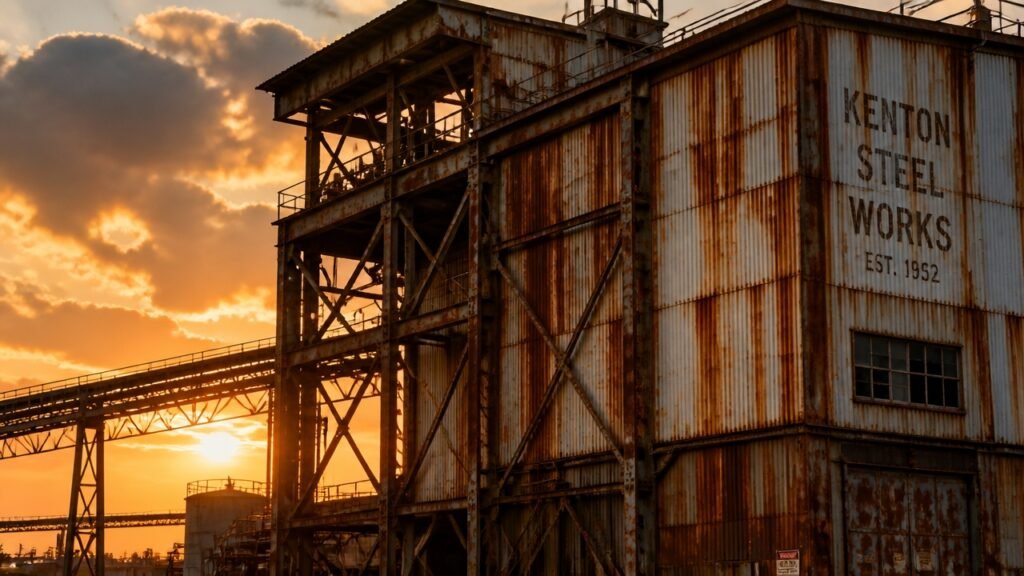
When you invest in a steel building, you are probably wondering how many decades of service you will actually get. The honest answer sits somewhere between fifty and one hundred years, though that range depends heavily on what you put into the structure over time.
A well-built steel frame following AISC 360 standards can easily reach the upper end of that estimate. Skip corners during construction, though, and you might be looking at signs of wear in just twenty to thirty years.
Rust and corrosion are the quiet enemies here, slowly working against the metal when protective coatings fail or moisture finds its way in.
The good news is that catching these issues early makes all the difference. A quick inspection routine, maybe once or twice a year, lets you spot trouble before it spreads.
It is this simple habit, combined with timely touch-ups to the protective finish, that separates a century-old steel building from one that needs replacing far too soon.
How Long Do Steel Buildings Actually Last?
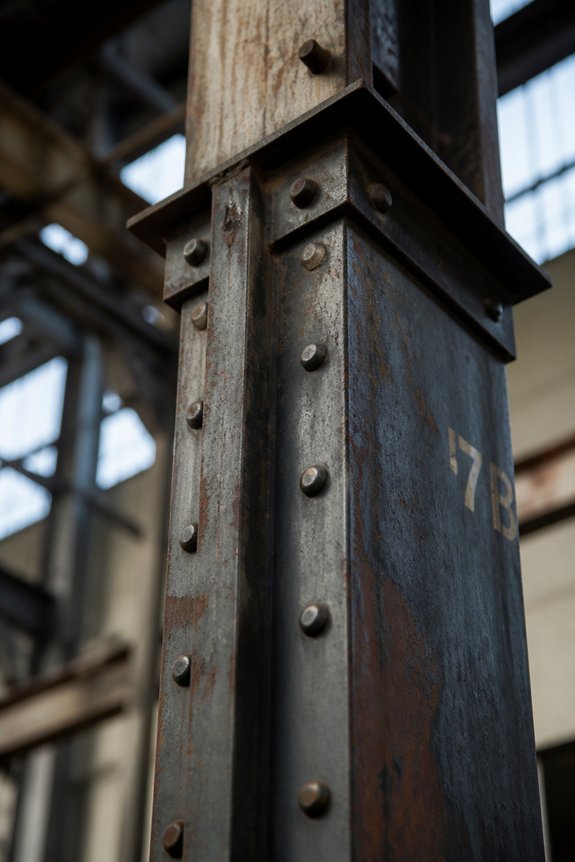
How Long Do Steel Buildings Actually Last?
Realistic Lifespan Expectations
Steel structures typically last 50 to 100 years. Much depends on maintenance routines and local environmental factors. Good upkeep makes a real difference in extending this timeline.
Why Steel Endures
Warehouses, factories, and farm buildings show remarkable staying power. Regular inspections catch small issues early. Consistent maintenance keeps these buildings performing year after year.
Protection Against the Elements
Rust poses the biggest threat in humid or coastal regions. Quality coatings and protective treatments block moisture damage. Steel frames also resist fire, pests, and extreme weather better than wood alternatives.
Keys to Maximum Longevity
Proper installation sets the foundation. Good drainage prevents water pooling. Timely repairs address wear before it spreads. Steel buildings from the 1950s and 1960s still stand and function today. That history speaks for itself.
What Climate and Weather Conditions Threaten Steel Building Lifespan?
Several climate and weather conditions pose serious threats to steel building longevity. Moisture and humidity accelerate rust formation. This risk is especially high in coastal regions with salt spray exposure.
Freeze-thaw cycles in cold climates cause expansion and contraction. These movements stress connections and seams over time. High winds can damage roof panels, fascia, and siding. Such damage creates openings for water infiltration.
Intense UV radiation gradually degrades protective coatings. Hail storms dent and puncture metal surfaces. Both issues compromise the building’s weatherproofing ability.
Poor drainage systems allow water pooling near foundations. Water also collects around base flashing. These problems lead to corrosion and structural weakness.
Regular maintenance helps catch issues early. Proper ventilation reduces moisture buildup inside. Quality coatings provide essential surface protection. Strategic location selection minimizes exposure to harsh elements. Together, these steps considerably reduce environmental threats.
Rust and Corrosion: The Primary Threat to Longevity
Rust and corrosion pose the greatest danger to steel buildings over time. Moisture starts oxidation that weakens beams, columns, and fasteners. This damage builds slowly but steadily.
Coastal salt air speeds up corrosion dramatically. Industrial chemicals make the problem worse. Uncoated steel fails faster than protected surfaces. Rust creeps under paint and hides from view. Regular inspections catch early warning signs.
Protective coatings and galvanization add essential defense. Stainless steel components resist damage in harsh settings. Good drainage stops water from pooling around structural elements. These steps together extend a building’s service life significantly.
How Steel Building Quality Standards Determine Lifespan
Quality standards for steel buildings set clear expectations. They cover materials, construction methods, and design practices. These factors directly shape how long a structure lasts.
Standards like AISC 360 and AWS D1.1 lay out specific requirements. They address steel grades, welding procedures, and coating thickness. Each detail matters for long-term performance.
Weathering steel offers real advantages. Buildings using ASTM A588 resist rust far better than standard grades. This protection extends service life significantly.
Quality control catches problems early. Manufacturing and installation inspections spot defects before they cause failure. Prevention costs far less than repairs later.
Higher standards deliver longer lifespans. Well-built structures often last 50 to 100 years. Substandard work may show serious issues within 20 to 30 years.
Compliance verification provides essential assurance. Regular inspections and testing confirm buildings meet all established criteria. This process protects both safety and investment.
Protective Coatings: Your Defense Against Rust and Corrosion
Rust and corrosion are the biggest threats to steel buildings. Protective coatings keep structures strong and safe for years to come.
Paint systems, epoxy coatings, and galvanized finishes each offer different levels of protection. They all work to block moisture and stop oxidation from spreading.
Galvanizing coats steel with a layer of zinc. This method typically lasts 50 years or more in moderate climates.
Paint coatings need more attention. You will need to reapply them every 5 to 10 years based on local weather conditions.
Regular inspections catch problems early. Look for coating failures, blistering, or peeling that could expose the steel underneath.
Your environment matters more than you might think. High humidity, salt air, and industrial pollutants all speed up coating breakdown.
Choose your coating based on where you build. The right match for your location and atmosphere will save money and extend your building’s life.
The Maintenance Schedule That Extends Your Building’s Life
Selecting the right coating protects steel buildings. Protection alone does not guarantee longevity. A structured maintenance schedule keeps coatings effective and structural integrity intact.
Annual Inspections
Check for early rust spots, loose fasteners, and coating damage once a year. These routine reviews catch small problems before they grow.
Seasonal Checks
Quarterly inspections matter most during harsh seasons. Weather-related wear shows up quickly when conditions turn severe.
Key Maintenance Tasks
Clean debris from gutters regularly. Repaint worn areas before rust spreads. Tighten connections to maintain stability.
Sealant and Documentation
Reapply sealant around doors and windows to stop water infiltration. Track all completed work. Good records reveal patterns and guide future care.
The Payoff
Buildings with consistent attention typically last 50 to 70 years. Neglected structures fail much sooner.
Century-Old Steel Buildings: What Real-World Examples Teach Us
Several steel structures have survived over one hundred years. These buildings show how proper maintenance and smart design choices lead to long lifespans.
The Brooklyn Bridge opened in 1883. It still functions today thanks to regular inspections, fresh paint, and timely repairs. Early steel warehouses in industrial cities tell a similar story. Decades of steady upkeep keep them in operation.
These examples highlight three key practices. Corrosion prevention matters. Rust treatment stops small problems from growing. Component replacement addresses wear before it spreads.
Modern facilities now study these proven structures. They adopt the same maintenance protocols. These include quality coating systems, proper drainage management, and routine assessments.
Real-world evidence is clear. Steel buildings regularly exceed one hundred years. The secret is simple: owners who choose preventive care over waiting for things to break.
How Seasonal Inspections Catch Problems Early
Spring: Assessing Winter’s Impact****
Winter takes a toll on steel structures. Spring inspections reveal rust spots, corroded fasteners, and cracks from freeze-thaw cycles. Catching these issues now prevents bigger headaches later.
Summer: Heat and Sun Damage****
Hot months bring their own challenges. Check roof seals, flashing integrity, and paint condition. UV exposure degrades surfaces quickly. Address problems before autumn rains arrive.
Fall: Preparing for Cold Weather****
Debris accumulates on roofs and in drains. Clear it out now. Identify drainage issues and complete repairs. Proper preparation reduces winter stress on the building.
Winter: Monitoring Salt and Ice****
Cold months demand attention to salt damage, ice buildup, and thermal stress on joints. These factors weaken connections over time. Document any changes you observe.
Building a Routine
Quarterly reviews create a clear maintenance history. This systematic approach catches small problems early. Your building lasts longer. Repairs cost less. Structural integrity stays strong year-round.
When Your Steel Building Needs Structural Upgrades
When Your Steel Building Needs Structural Upgrades****
Steel buildings don’t last forever on their own. Load capacity weakens over time. Weather takes its toll. Rust can eat through critical sections, especially after 30 to 40 years without proper care.
Watch for warning signs. Roof sections may start to sag. Beams can show visible corrosion. You might notice extra bending under normal loads. These all signal that repairs can’t wait.
Common Upgrade Solutions****
Reinforcing columns with steel plating adds strength. Crews can swap out deteriorated sections. Lateral bracing systems improve stability. Each fix targets a specific weak point.
Code Requirements and Professional Help****
Building codes often demand updates when use changes. New seismic standards can trigger requirements too. Structural engineers inspect the damage first. Then they recommend reinforcements to restore safety and meet current standards.
Why Preventive Care Costs Less Than Emergency Repairs
Preventive maintenance saves money over time. Small repairs now stop big problems later.
Regular care includes roof checks, rust treatment, and bolt tightening. These simple tasks cost far less than emergency fixes.
A small roof leak, fixed quickly, prevents water damage and mold. Corroded fasteners, caught early, need simple replacement. Waiting means structural reinforcement instead.
Delayed repairs force owners to fix multiple issues at once. This multiplies labor costs and facility downtime.
Proactive maintenance keeps steel buildings running smoothly. Property values stay higher. Production avoids costly interruptions.
Inspection schedules, clear documentation, and quick action protect your investment. Operational continuity follows naturally.
Frequently Asked Questions
Can Steel Buildings Be Relocated or Repurposed After Their Original Use?
Steel buildings can be relocated or repurposed due to their modular construction and structural flexibility. Their bolted connections allow disassembly and reassembly at new locations. Repurposing involves modifying interior layouts while maintaining the original steel framework’s integrity.
What Insurance Coverage Options Are Available for Steel Building Structures?
Over 90% of steel building owners report underinsurance. Property coverage protects structure and contents; liability insurance covers bodily injury claims. Specialized policies address wind, fire, and theft risks specific to metal structures.
How Do Steel Buildings Compare in Lifespan to Concrete or Wood Alternatives?
Steel buildings typically outlast wood structures by 40-60 years and match or exceed concrete’s lifespan of 50-100 years. Steel’s resistance to rot, pests, and weathering provides superior longevity compared to traditional construction materials.
Are There Tax Incentives or Depreciation Benefits for Steel Building Ownership?
Steel building owners enjoy accelerated depreciation schedules and cost segregation strategies that rival lottery winnings. The IRS rewards structural longevity with substantial tax deductions, making these investments financially attractive for savvy proprietors seeking legitimate write-offs.
What Permits or Regulations Govern Steel Building Construction in Different Regions?
Steel building construction permits and regulations vary considerably by region, encompassing zoning laws, building codes, wind and seismic requirements, foundation standards, and local architectural guidelines that contractors must satisfy before commencing projects.
Conclusion
Steel buildings endure 50 to 100 years, yet their fate remains uncertain without vigilant care. Quality construction, protective coatings, and seasonal inspections determine whether a structure thrives or deteriorates. Corrosion threatens relentlessly, especially in harsh climates. Preventive maintenance costs far less than emergency repairs, but neglect invites costly failure. The building’s ultimate lifespan hinges entirely on whether owners commit to consistent protection and upkeep.