
Steel buildings are practical and durable, but they come with a familiar challenge: keeping the interior comfortable without watching your energy bills climb.
Poor insulation is usually the culprit, letting heat escape in winter and seep in during summer.
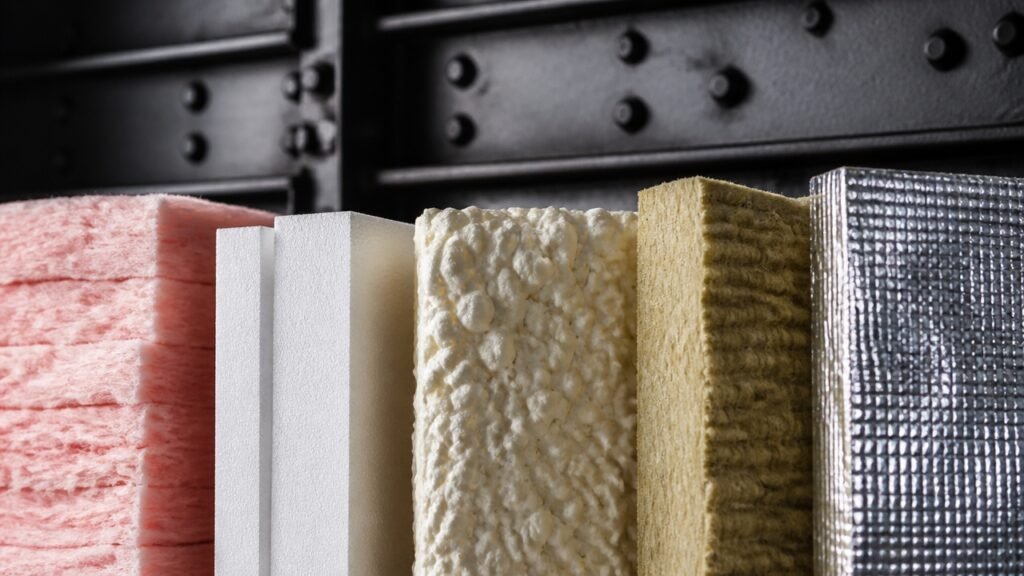
The good news is that you have solid options to fix this. Fiberglass batts, spray foam, rigid foam boards, mineral wool, and reflective barriers each tackle the problem differently.
Some excel at blocking drafts, others shine at managing moisture or standing up to fire hazards.
Choosing the right approach depends on your building, your local weather, and what you are willing to spend.
A little upfront planning can lead to real savings on utilities down the road.
Fiberglass Batts: The Most Budget-Friendly Option
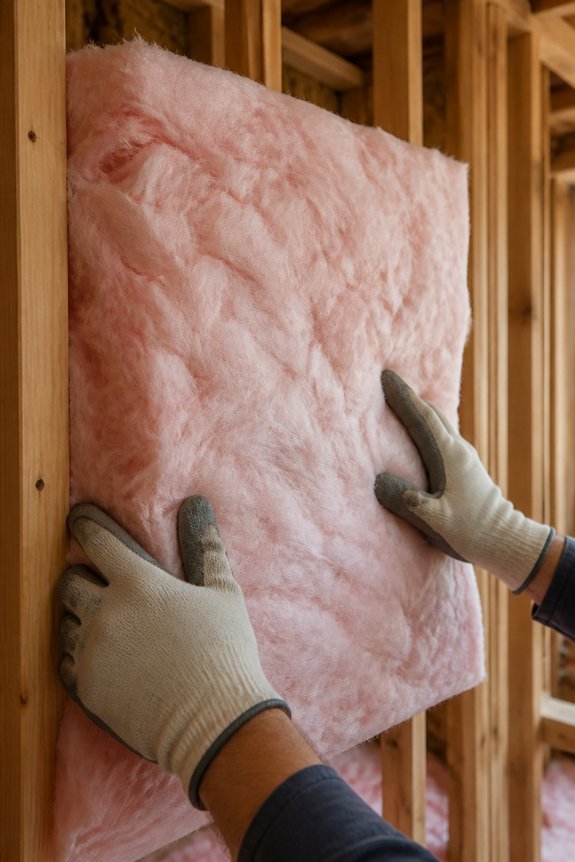
Steel buildings need steady thermal protection. Fiberglass batts deliver that without breaking the bank.
These pre-cut blankets slide right between wall studs and roof joists. Most come 3.5 or 6 inches thick. You will get R-values from R-11 up to R-38. Thicker and denser means better performance.
Basic tools get the job done. Grab a utility knife and stapler. Labor stays low because installation is simple.
The material stands up to moisture and fire. Proper installation makes that happen.
Watch for settling over time. This can shrink your insulation’s effectiveness. Pair fiberglass batts with vapor barriers and solid ventilation. That combination gives you top results in steel buildings.
Spray Foam: Best Air Sealing and R-Value
Spray foam insulation beats fiberglass batts in two key ways. It seals air better. It insulates better too.
This material expands to fill gaps, cracks, and odd spaces. It stops air leaks around windows, doors, and roof openings. Spray foam delivers R-values of 3.5 to 6.5 per inch. Fiberglass batts only reach about 3.2 to 3.8 per inch.
You have two options. Open-cell foam costs less and lets moisture pass through. Closed-cell foam blocks moisture better and adds structural strength.
Steel building owners pick spray foam when they need top thermal performance and airtightness. The upfront cost runs higher than traditional batts. The long-term savings often justify the investment.
Rigid Foam Boards: Prevents Heat Loss Through Steel Frames
Thermal Bridging Made Simple
Steel frames conduct heat easily. This weakens overall insulation performance. Rigid foam boards solve this problem directly.
How They Work
These boards create a thermal barrier between steel and your interior space. Polyiso and polystyrene are the most common materials. They attach to studs inside or outside your building.
Performance Benefits
Exterior placement works best. It shields steel from temperature swings. This prevents condensation and boosts efficiency. Boards come in one to four inch thicknesses. They deliver higher R-values per inch than fiberglass.
Flexible Installation
Mix and match with other insulation types. The boards play well with batts, loose fill, or spray foam. Simple combination strategies give you custom results.
Mineral Wool: Superior Fire Safety and Moisture Control
Fire Safety That Works
Mineral wool stands out for fire resistance. Its inorganic fibers simply will not burn. They stop flames from spreading and meet strict building codes.
Toxic smoke poses real danger during fires. Foam insulation releases it. Mineral wool does not. This difference can save lives in steel buildings.
Smart Moisture Control
Water damage and mold threaten any structure. Mineral wool resists water absorption naturally. It keeps mold risks low without extra treatments.
Steel buildings need to breathe. Mineral wool’s vapor permeability lets moisture escape. Thermal performance stays intact.
Building owners get dual protection. Fires become less dangerous. Humidity stays under control. Structures last longer with fewer problems.
Installation Tips
Proper ventilation unlocks the full benefits. Installers should prioritize airflow during placement. This simple step maximizes moisture management for years to come.
Reflective Barriers: Boost Performance on Metal Roofs
Metal roofs absorb and radiate heat. Indoor temperatures rise, and cooling costs climb. Reflective barriers redirect solar radiation away from your building’s interior.
How They Work
These barriers sit beneath metal roofing. They create an air gap that enhances the reflective effect. Aluminum foil and reflective coatings are common choices. They can reflect up to 97 percent of incoming heat.
Installation Options
Self-adhesive films work well for many projects. Spray-applied coatings offer another reliable choice. Both create the needed air gap for maximum performance.
Real Benefits
In warm climates, cooling expenses drop by 15 to 25 percent. Metal conducts heat quickly, so reflection is especially valuable. The result is better temperature control and lower energy bills.
Frequently Asked Questions
How Do Installation Costs Compare Across Different Steel Building Insulation Types?
Installation costs vary considerably among steel building insulation types. Fiberglass batts offer the lowest upfront expenses, while spray foam commands premium pricing. Rigid foam boards fall between these options, with mineral wool presenting moderate costs depending on application requirements.
What Is the Typical Lifespan of Each Insulation Material Before Replacement?
Like a bridge requiring periodic maintenance, insulation materials degrade over time. Fiberglass batts last fifteen to twenty years, rigid foam boards twenty-five to thirty years, and spray foam can endure thirty to fifty years with proper installation and ventilation.
Which Insulation Option Works Best in Extreme Climate Conditions?
Rigid foam insulation performs exceptionally in extreme climates due to superior R-value retention at temperature extremes. Mineral wool also excels, maintaining structural integrity and fire resistance during harsh weather variations and temperature fluctuations.
Can Existing Steel Buildings Be Retrofitted With These Insulation Materials?
While retrofitting existing structures seems costly, most steel buildings can accommodate insulation materials through spray foam, blanket, or rigid board applications. Installation occurs between purlins or beneath existing cladding, minimizing structural disruption and maximizing energy efficiency gains.
How Does Insulation Choice Affect Steel Building Maintenance and Durability?
Insulation choice greatly impacts steel building maintenance and durability. Proper insulation reduces condensation and thermal stress on steel structures, minimizing corrosion risks. Moisture barriers and vapor control prevent rust development, extending building lifespan considerably while lowering maintenance costs.
Conclusion
Building owners face a critical decision: which insulation method will deliver the greatest energy savings? Fiberglass batts, spray foam, rigid boards, mineral wool, and reflective barriers each address specific thermal challenges in steel structures. The most effective approach combines multiple options, selecting materials based on budget, climate, and building design. Proper insulation selection directly impacts long-term utility expenses and operational costs, making informed comparison essential before installation begins.